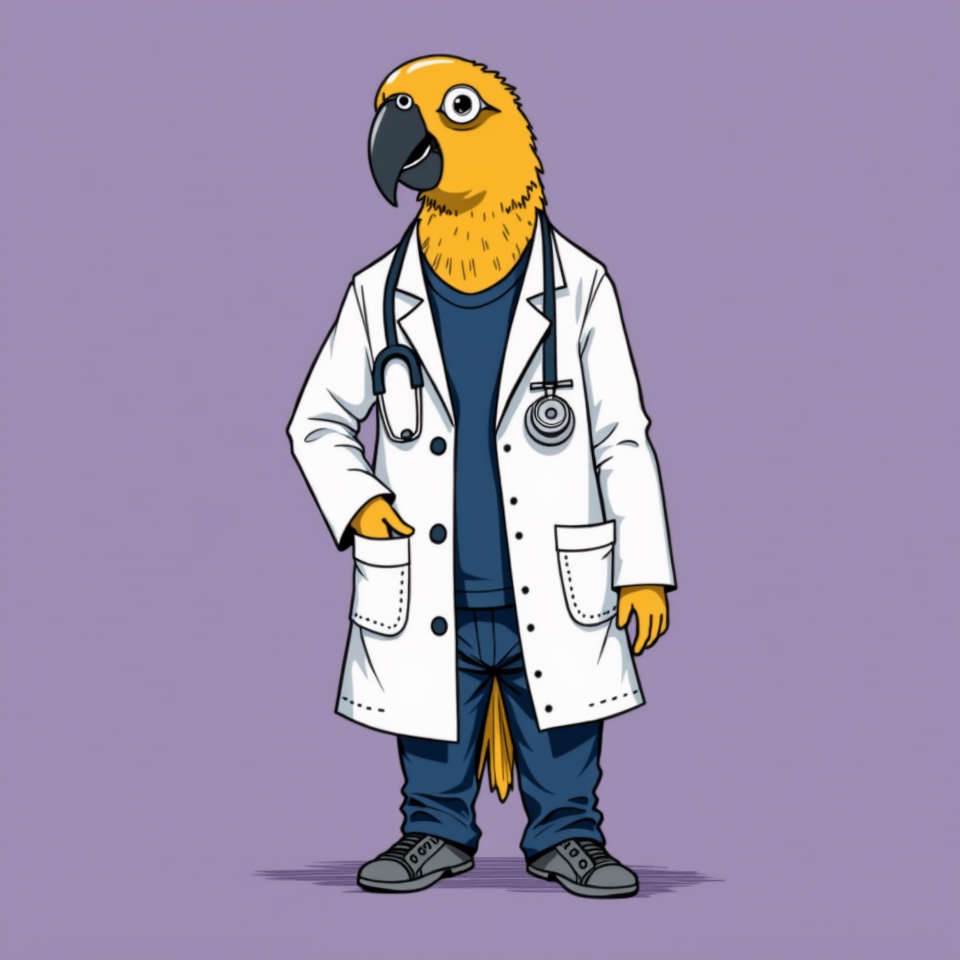
Veterinary exotic animal medicine is the branch of practice that cares for species other than cats and dogs. In Singapore, where the list of legally kept pets is tightly regulated, vets who describe their focus as exotics typically handle a broad mix across small mammals, companion birds, approved turtles and terrapins, certain frog species, and ornamental fish.
Exotic mammal specialists and vets with a clinical focus in exotics manage conditions such as dental disease in rabbits, respiratory infection in birds, metabolic bone disease in turtles, husbandry-related illness across species, and the often-complex anaesthesia and diagnostics required for small patients. Tools of the trade include species-appropriate anaesthesia, imaging tailored to small body sizes, and a detailed working knowledge of the dietary and environmental requirements of each species group.
While most general-practice vets are trained primarily to treat cats and dogs, an exotics-focused vet is the practitioner who works across non-traditional species as a deliberate clinical interest rather than occasional exposure.
Exotic patients are often prey species, and they tend to hide illness until it is advanced. Many conditions stem from husbandry rather than pathogens. For owners of any non-traditional pet, an early consultation with an exotics-focused vet, before problems arise, is worth considering.