

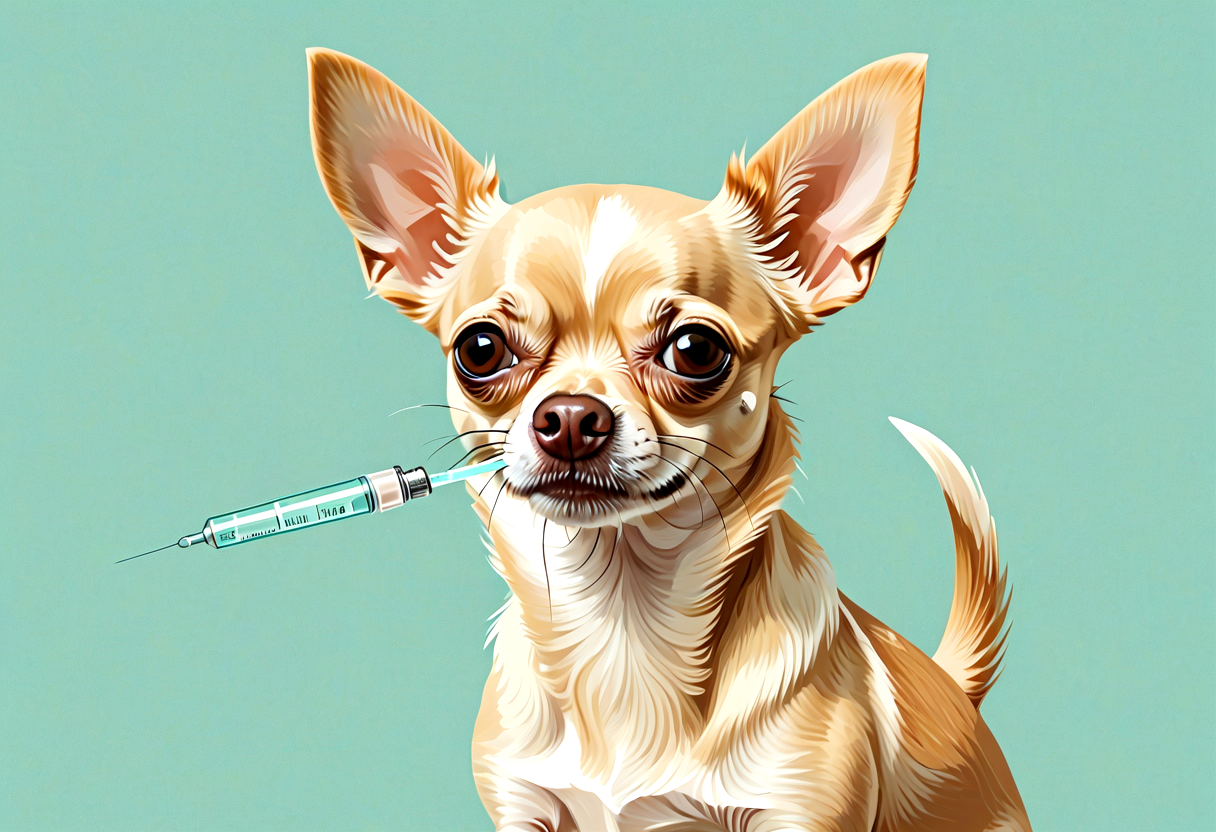
In the quiet arithmetic of prevention, a single jab can outweigh a lifetime of regret.
There is a question that every responsible pet owner in Singapore eventually faces: Does my pet truly need all those vaccinations? The short answer, supported by decades of veterinary science, is yes.
Vaccines are preparations that resemble infectious agents, such as bacteria or viruses, but are not disease-causing themselves. They work by training the immune system to recognise these invaders and produce antibodies or activate specific cells to eliminate them [1, 3, 8]. If a vaccinated animal is later exposed to the actual disease, its immune system is prepared to identify and destroy the threat before it can cause illness [1, 3, 8].
The widespread use of vaccines has prevented the deaths and diseases of millions of animals. It helps protect the broader community — including humans — from zoonotic threats like rabies [1, 5, 6]. Yet myths persist. Some owners worry that vaccines are unnecessary, that they cause the very diseases they are meant to prevent, or that indoor pets do not need them. This article sets out the facts for dogs, cats, birds, rabbits, hamsters, and guinea pigs, drawing on guidance from leading veterinary institutions.
• Vaccines train the immune system to fight dangerous diseases without causing illness, using preparations that resemble but do not replicate infectious agents [1, 3, 8].
• Core vaccines are recommended for all pets of a given species. In contrast, non-core vaccines are selected based on a pet's individual risk factors such as age, health, location, and lifestyle [1, 5, 6].
• Puppies and kittens require a series of vaccinations — not just one — because maternal antibodies from the mother's milk can interfere with vaccine effectiveness and wane at unpredictable rates [1, 3, 6, 8].
• It is a myth that vaccines cause the diseases they prevent: killed and recombinant vaccines contain no live pathogens, and attenuated live vaccines use weakened organisms that do not typically cause illness [3, 8].
• Even cats kept strictly indoors should receive core vaccinations, as infectious wildlife such as bats can enter the home and expose them to rabies [1, 3].
• Vaccinations for rabbits include protection against Rabbit Hemorrhagic Disease. At the same time, bird vaccines cover diseases such as Avian Polyomavirus and Pacheco's disease. However, coverage varies significantly by species [9, 10].
The Invisible Shield: How Vaccines Actually Work
Understanding why vaccines matter begins with understanding how they function inside the body. A vaccine is a preparation that resembles an infectious agent — a virus or bacterium — but is not capable of causing disease [1, 3, 8]. When introduced into the body, it prompts the immune system to produce antibodies or to activate specialised cells designed to destroy that agent [1, 3, 8]. The immune system, in effect, rehearses its defence.
The real benefit reveals itself later. If the vaccinated pet is exposed to the actual disease in the future, its immune system is already primed — it can rapidly identify and eliminate the invader before illness takes hold [1, 3, 8]. This preparedness is the foundation of all vaccination science, and it applies equally whether the patient is a Labrador, a Persian cat, or a pet rabbit.
There are different types of vaccines, and the distinctions matter. Killed and recombinant vaccines contain no live pathogens at all [3, 8]. Attenuated live vaccines use organisms that have been weakened so that they do not typically cause illness [3, 8]. All of these preparations are strictly regulated by government authorities for safety and potency, ensuring they stimulate an immune response without causing the actual disease they are meant to prevent [3, 8].

Core Versus Non-Core: Not Every Pet Needs the Same Jab
One of the most useful frameworks in modern veterinary medicine is the distinction between core and non-core vaccines. Core vaccines are recommended for all members of a species because they protect against highly contagious or life-threatening diseases [1, 5, 6]. Non-core vaccines, on the other hand, are recommended only for certain pets based on an individual risk assessment [1, 5, 6].
Vaccination assessment takes into account a range of factors: the pet's age, current health status, geographic location, and daily lifestyle [1, 5, 6]. A dog that visits boarding facilities, travels frequently, or has potential exposure to wildlife faces a different risk profile from one that rarely leaves the home [1, 5, 6]. For example, dogs should be vaccinated against leptospirosis, especially when walks in wet areas are unavoidable. This is why a conversation with your veterinarian is not merely a formality — it is the mechanism by which the right vaccines are identified for your specific animal.
Maintaining up-to-date vaccinations also has a practical financial dimension. The cost of treating a preventable illness can far exceed the cost of routine vaccination, making prevention a sound investment in a pet's long-term well-being [1, 5, 6].
Starting Young: Why Puppies and Kittens Need a Series
New pet owners are sometimes surprised to learn that their puppy or kitten requires not one vaccination but a series of them over several weeks. The reason lies in the biology of newborn immunity. Young animals receive temporary passive immunity from antibodies in their mother's milk. Still, these maternal antibodies can interfere with vaccine effectiveness [1, 3, 6, 8].

The complication is that this maternal protection does not wane at a predictable, uniform rate [1, 3, 6, 8]. Because veterinarians cannot predict precisely when an individual puppy or kitten's maternal immunity will drop to a level at which vaccination becomes effective, a series of vaccinations is administered beginning at six to eight weeks of age and continuing until sixteen to twenty weeks [1, 3, 6, 8]. This approach ensures the pet is vaccinated at the right moment to build its own lasting immune response.
Skipping or compressing this series leaves a window of vulnerability — a period when maternal antibodies are too low to protect the animal. Still, the pet's own immunity has not yet been established. Completing the full schedule is not optional; it is essential.
Booster Shots and the Long Game of Immunity
Once the initial vaccination series is complete, the work is not finished. Many vaccines provide adequate immunity for several years — for example, a three-year interval is often recommended for combination vaccines against rabies and canine distemper [1, 6, 7, 8]. However, other vaccines provide shorter durations of protection and may need to be administered annually to maintain effective immunity [1, 6, 7, 8].
Skipping or delaying scheduled booster vaccinations can create a gap in protection, leaving a pet susceptible to infection during that window [1, 6, 7, 8]. This is a risk that is easy to overlook, particularly with pets that appear healthy and show no signs of illness. Your veterinarian will advise on the appropriate booster schedule for each vaccine your pet receives.
Some owners ask whether antibody titer tests — blood tests that measure antibody levels — can replace regular booster vaccinations. In truth, titers can be useful for evaluating whether a pet has been previously vaccinated if its medical history is unknown [1, 5]. However, titers should not be used to determine if a booster is necessary for a specific disease unless protective antibody levels have been scientifically defined for that disease. For many diseases, they have not been [1, 5].
Side Effects: What to Expect, and What Is Truly Rare
Concerns about side effects are among the most common reasons owners hesitate to vaccinate their pets. It is important to put these concerns in perspective. Most pets experience only mild, short-lasting side effects that begin within hours of vaccination and resolve within one or two days [1, 6, 8]. These commonly include tiredness, a mild fever, decreased appetite, and minor swelling or tenderness at the injection site [1, 6, 8]. For vaccines administered by the nasal route, mild sneezing or coughing for a few days may also be observed [1, 6, 8].

For cats specifically, there is a more serious but rare concern: feline injection site sarcomas, which are tumours that can develop several months or even years after an injection, most commonly following a vaccine [1, 3, 8]. While the risk is real, it is considered very small compared to the benefit of protecting cats from lethal infectious diseases [1, 3, 8]. Improvements in vaccine technology and administration techniques have significantly reduced this risk for the average cat [1, 3, 8].
As with any medical intervention, the question is always one of balance. The discomfort of a mildly sore injection site for a day or two is, by any reasonable measure, preferable to the suffering caused by diseases that vaccines reliably prevent.
Debunking the Myth: Vaccines Do Not Cause the Diseases They Prevent
Perhaps the most persistent and damaging misconception in pet healthcare is the belief that vaccines can cause the very diseases they are designed to prevent. This is not true. Killed and recombinant vaccines contain no live pathogens capable of reproducing, making it biologically impossible for them to cause infection [3, 8]. Attenuated live vaccines use organisms that have been weakened so that they do not typically cause illness in healthy animals [3, 8].

All vaccine preparations are strictly regulated by government authorities for safety and potency, ensuring they stimulate an immune response without causing the actual disease [3, 8]. Vaccine hesitancy, whether in human or veterinary medicine, often arises from a misunderstanding of how these preparations work. The immune response — the mild tiredness or low fever some pets experience after a jab — is not the disease itself; it is evidence that the vaccine is doing its job.
This distinction matters enormously. An owner who withholds vaccination out of fear of causing illness may inadvertently expose their pet to a far greater, far more dangerous risk.
Indoor Cats, Rabbits, and Birds: Vaccination Beyond Dogs
Vaccination is not only a concern for dogs. Cat owners who keep their pets strictly indoors sometimes assume their animals are safe from infectious disease. This assumption is mistaken. All household cats kept strictly indoors should still receive core vaccinations against panleukopenia, feline herpesvirus, and feline calicivirus [1, 3]. Rabies vaccination is also essential for indoor cats, as they can still be exposed to the virus if infected wildlife — such as bats — enters the home [1, 3]. Furthermore, many state and local laws require rabies vaccinations for all pets regardless of whether they go outdoors [1, 3].
For pet rabbits, vaccination options exist but vary by region. Rabbits in Singapore can be vaccinated against Rabbit Hemorrhagic Disease. Pet birds also have some vaccine options available. Vaccinations exist for Avian Polyomavirus, which requires a primary dose and a booster given two to three weeks later [9]. Other available vaccines include an inactivated vaccine for Pacheco's disease, a recombinant vaccine for West Nile Virus, and specific vaccines for poxviruses such as canarypox [9]. To date, no vaccines have been found effective in preventing or treating Avian Bornavirus, also known as proventricular dilatation disease [9].
Frequently Asked Questions About Vaccinations
Can my pet get the disease from the vaccine itself?
No. It is a myth that vaccinating a pet causes the disease it is meant to prevent. Killed and recombinant vaccines contain no live pathogens capable of reproducing [3, 8]. Attenuated live vaccines use organisms that have been weakened so that they do not typically cause illness [3, 8]. All vaccine preparations are strictly regulated by government authorities for safety and potency [3, 8].
My cat never goes outside. Does she still need to be vaccinated?
Yes. All household cats kept strictly indoors should still receive core vaccinations against panleukopenia, feline herpesvirus, and feline calicivirus [1, 3]. Rabies vaccination is also essential because infected wildlife, such as bats, can enter homes, exposing even indoor cats to the virus [1, 3]. Many local laws also require rabies vaccination for all pets, regardless of whether they are indoor or outdoor [1, 3].
Why does my puppy need so many vaccines in the first few months?
Young animals receive temporary passive immunity from antibodies in their mother's milk. Still, these maternal antibodies can interfere with vaccine effectiveness [1, 3, 6, 8]. Because the rate at which this maternal protection wanes is unpredictable, a series of vaccinations is administered from six to eight weeks of age, continuing until sixteen to twenty weeks [1, 3, 6, 8]. This ensures the puppy receives a vaccine at the right time to develop its own lasting immune response once the maternal antibodies are no longer present [1, 3, 6, 8].
Can a blood titer test replace my pet's booster vaccinations?
Not reliably. Antibody titer tests measure the level of specific antibodies in the blood. They can be useful for evaluating whether a pet has been previously vaccinated when its medical history is unclear [1, 5]. However, titers should not be used to determine whether a booster is necessary unless protective antibody levels have been scientifically defined for that specific disease — and for many diseases, such definitions do not yet exist [1, 5].
The science of vaccination represents one of veterinary medicine's most powerful and well-established tools. From the puppy receiving its first jab to the indoor cat that never sees a garden, from the pet rabbit to the aviary bird, vaccination offers a level of protection that no amount of careful husbandry can fully replicate on its own.

The myths that surround vaccines — that they are unnecessary, that they cause disease, that indoor animals are immune to risk — do not survive scrutiny. What survives, instead, is the straightforward evidence: vaccinated pets live better, safer lives. Speak to your veterinarian about the right schedule for your companion, and give them the protection they deserve.


[1] https://www.avma.org/resources-tools/pet-owners/petcare/vaccinations — AVMA overview of pet vaccinations, side effects and owner FAQs
[2] https://wsava.org/global-guidelines/vaccination-guidelines/ — WSAVA global canine and feline vaccination guidelines
[3] https://www.vet.cornell.edu/departments-centers-and-institutes/cornell-feline-health-center/health-information/feline-health-topics/feline-vaccines-benefits-and-risks — Cornell Feline Health Center on feline vaccine benefits and risks
[4] https://www.avma.org/javma-news/2020-03-01/vaccine-hesitancy — AVMA on vaccine hesitancy in pet owners and common myths
[5] https://www.avma.org/resources-tools/avma-policies/vaccination-principles — AVMA formal vaccination principles and risk/benefit framework
[6] https://riney.vet.cornell.edu/member-benefits-health-tips/canine-vaccinations-december — Cornell Riney Canine Health Center on dog vaccination schedules
[7] https://www.vet.cornell.edu/departments-centers-and-institutes/riney-canine-health-center/canine-health-topics/parvovirus-transmission-treatment — Cornell on canine parvovirus severity and vaccination protocol
[8] https://www.merckvetmanual.com/special-pet-topics/drugs-and-vaccines/vaccines-and-immunotherapy — Merck Veterinary Manual on how vaccines work
[9] https://www.merckvetmanual.com/exotic-and-laboratory-animals/pet-birds/viral-diseases-of-pet-birds — Merck on viral diseases of pet birds and available vaccines
[10] https://vcahospitals.com/know-your-pet/rabbits-diseases — VCA on rabbit infectious diseases (myxomatosis, RHD, encephalitozoonosis, pasteurellosis)
Note: Some of the sources cited here are published by international veterinary authorities and may not be directly accessible from all regions. The reference is provided as a record of where the information comes from. For a clear indication of our editorial policy, please click here.