

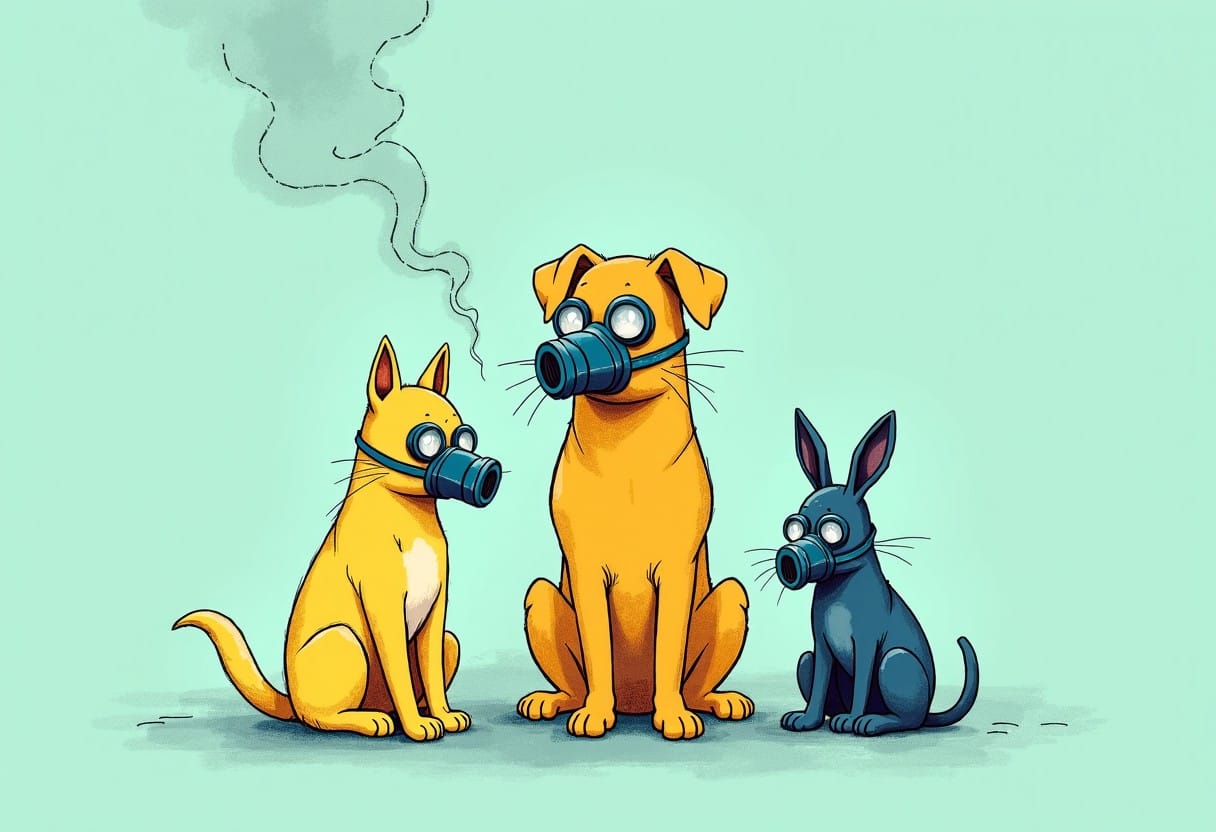
The sweet scent of a vape cartridge may be the last thing standing between your pet and a medical emergency.
Vapes are banned in Singapore, but given the reported numbers of users, we deemed this article to be relevant.
A vape device sitting on your coffee table may look harmless. To your dog or cat, however, it can be something far more dangerous — a curiously scented object to chew, lick, or swallow. E-cigarettes and their refill liquids are often manufactured with enticing flavours and scents like milkshake, peppermint, or banana cream pie, making them highly attractive to curious pets [3, 5, 10]. The consequences of even brief exposure can be severe and swift.
The core problem is concentration. A single e-liquid cartridge contains between 6mg and 36mg of nicotine, compared to the 0.5mg to 2.0mg typically yielded by a smoked cigarette [5, 9, 10]. When a pet chews or ingests a cartridge, it absorbs all of that nicotine at once — and even 1ml of e-juice can be enough to poison a roughly 18kg dog [5, 9]. Vaping products also commonly contain propylene glycol, a carrier solvent that poses its own distinct risks to pets, particularly cats. Understanding both threats is the first step to keeping your pet safe.
• E-liquid cartridges contain up to 36mg of nicotine — far more concentrated than a smoked cigarette — making even a small spill or chewed cartridge potentially lethal [5, 9, 10].
• Symptoms of nicotine poisoning can appear within 15 to 30 minutes of ingestion and escalate rapidly from vomiting and tremors to seizures and cardiac arrest [1, 5, 10].
• The toxic dose of nicotine for pets starts at approximately 1mg per 0.45kg of body weight, and the lethal dose is around 4mg per 0.45kg [4, 9].
• Propylene glycol, a common vape liquid carrier, can cause Heinz body anaemia in cats — a condition that damages red blood cells and may develop after initial symptoms subside [7, 8].
• Flavoured e-cigarettes are especially risky because their appealing aromas encourage pets to chew on cartridges or refill bottles [3, 5, 10].
• If your pet survives and is stabilised within the first four hours, the prognosis is considered good to excellent — making immediate veterinary care critical [6, 9].
The Science of Nicotine Danger in Pets
Nicotine will hijack an animal's nervous system. At a molecular level, nicotine mimics acetylcholine, the chemical responsible for nerve stimulation, causing an overstimulation of the nervous system at lower doses [6]. At higher doses, this overstimulation becomes so severe that it prevents nerves from functioning correctly, potentially leading to paralysis or respiratory arrest [6].

The numbers that define danger are startlingly small. The toxic dose begins at approximately 1mg of nicotine per 0.45kg of body weight, while the lethal dose sits at around 4mg per 0.45kg [4, 9]. For dogs specifically, lethality can occur at 9mg to 12mg per kilogram of body weight [4]. Given that a single e-liquid cartridge can hold up to 36mg of nicotine, it takes very little product — and very little time — to reach a dangerous threshold [5, 9, 10].
What makes e-liquids especially hazardous compared to traditional tobacco is precisely this density of nicotine.
When a pet chews a cigarette, a large portion of the nicotine is not absorbed. When a pet ingests e-liquid, however, the gastrointestinal tract absorbs the full available dose with alarming efficiency [5, 9, 10]. Even 1ml of e-juice can poison a dog of approximately 18kg [5, 9].
Besides the accidental ingestion of e-liquids or cartridges, second-hand vapor (vape smoke) also poses a health risk to companion animals. The aerosolized vapor produced by e-cigarettes contains nicotine, carcinogens, and other toxic chemicals [1]. Furthermore, analysis of this vapor has revealed the presence of toxic metal nanoparticles, such as nickel, chromium, and cadmium, which may be released from the device's internal heating coils during use [1].
Certain species are more vulnerable to inhaled toxins; for instance, birds are specifically noted for their sensitivity to respiratory distress caused by inhaling second-hand smoke [2]. In general, the risks to living beings from inhaling e-cigarette vapor are considered comparable to those associated with traditional cigarette smoke [1].
Recognising the Warning Signs of Nicotine Toxicity
Time is of the essence for a nicotine poisoning event. Symptoms generally appear within 15 to 30 minutes of ingestion, owing to the rapid absorption of e-liquids in the gastrointestinal tract, though in some cases onset may take up to 60 minutes [1, 5, 10]. By the time an owner notices something is wrong, the toxin may already be well into the bloodstream.

Initial signs often include vomiting, drooling, diarrhoea, and agitation [1, 3, 5, 6, 10]. These early symptoms can be easy to dismiss or misattribute, but they frequently give way to more alarming signs. Muscle tremors, generalised weakness, and seizures represent a significant escalation [1, 3, 5, 6, 10]. In the most severe cases, a pet may develop a rapid heart rate, abnormally high or low blood pressure, blue-tinged gums, and ultimately cardiac arrest [1, 3, 5, 6, 10].
The speed and severity of this progression means that waiting to see if symptoms resolve on their own is not a viable strategy. Any owner who suspects their pet has ingested vaping liquid should treat it as an emergency and contact a veterinarian or poison control line immediately.
Propylene Glycol and the Hidden Risk to Cats
Nicotine is not the only ingredient in vaping products that demands attention. Propylene glycol, one of the primary carrier solvents used to suspend nicotine and flavourings in e-liquid, carries its own toxicity profile — one that affects cats with particular severity [7, 8].

In cats, ingestion of propylene glycol can lead to Heinz body anaemia, a condition in which red blood cell survival is significantly reduced [7, 8]. This form of anaemia does not always present immediately; it may develop following an initial phase of depression and weakness, meaning owners could observe apparent recovery before a second, more insidious wave of illness sets in [7, 8]. For dogs, the risk profile is different but still serious: an oral dose of approximately 9ml per kilogram of body weight is considered lethal, and ingestion can lead to metabolic acidosis and symptoms that closely resemble the acute phase of ethylene glycol poisoning [7, 8].
The distinction between propylene glycol and ethylene glycol matters here. Both are solvents that appear in various consumer products, and both are dangerous to pets, but propylene glycol is the one specifically found in many vaping liquids. Owners who read ingredient labels on e-liquid bottles may not immediately recognise the risk this compound represents, particularly to their cats.
Why Flavoured Vapes Are Especially Dangerous for Household Pets
The vaping industry's reliance on consumer flavours creates a collision between product design and pet safety. E-cigarettes are often manufactured with enticing flavours and scents such as fruits and peppermint, [3, 5, 10]. To a dog or cat guided primarily by scent, these products can be indistinguishable from something worth investigating or to avoid.

This sensory attraction increases the likelihood that pets will chew on cartridges or refill bottles [3, 5, 10]. A punctured refill bottle is particularly hazardous because it can release a concentrated volume of e-liquid directly into a pet's mouth and onto their skin, where nicotine can also be absorbed transdermally. Beyond the liquid itself, the physical components of a vaping device carry their own dangers. The battery and plastic casing are not digestible and can cause gastrointestinal obstructions or severe burns to the mouth and oesophagus if chewed or swallowed [1, 3, 5, 10]. The heating coils within devices may also release toxic nanoparticles of metals such as nickel and cadmium into vapour [1, 3, 5, 10].
How Veterinarians Treat Nicotine Poisoning
When a pet arrives at a veterinary clinic following nicotine exposure, the immediate clinical priority is preventing further absorption of the toxin. Treatment typically involves inducing vomiting or administering activated charcoal to limit how much nicotine the body continues to take up [1, 5, 9, 10]. From there, supportive care becomes the focus: intravenous fluids and oxygen therapy help stabilise the animal while the body works to process the poison [1, 5, 9, 10].
Beyond these foundational steps, veterinarians will use medications to manage specific symptoms as they arise, including cardiac arrhythmias, muscle tremors, and seizures [1, 5, 9, 10]. The prognosis for a pet that can be stabilised in the first four hours following intoxication is considered good to excellent [6, 9]. Nicotine is typically inactivated by the liver and excreted through the urine within 16 hours of ingestion, meaning the body does have the capacity to recover — provided it receives the right support quickly enough [6, 9].
Every minute matters. Owners should not attempt home treatment and should instead contact their veterinarian or an animal poison control centre the moment they suspect exposure has occurred.
Frequently Asked Questions
How dangerous is vape exposure for a pet?
Vape exposure can be life-threatening for pets, and the danger escalates rapidly. A single e-liquid cartridge contains between 6mg and 36mg of nicotine, far more than a smoked cigarette delivers [5, 9, 10]. Even 1ml of e-juice can poison a dog of approximately 18kg [5, 9]. Symptoms can appear within 15 to 30 minutes and may progress from vomiting and tremors to seizures and cardiac arrest [1, 5, 10]. If you suspect your pet has been exposed, treat it as an emergency and seek veterinary care immediately.
What makes nicotine so dangerous for pets?
Nicotine is dangerous to pets because it directly disrupts the nervous system. It mimics acetylcholine, the chemical responsible for nerve stimulation, causing the nervous system to become severely overstimulated [6]. At high enough doses, this overstimulation prevents nerves from functioning at all, potentially leading to paralysis or respiratory arrest [6]. The toxic dose begins at approximately 1mg per 0.45kg of body weight, and the lethal dose is around 4mg per 0.45kg — thresholds that can easily be reached by ingesting a small amount of e-liquid [4, 9].
Is propylene glycol in vape liquid harmful to pets?
Yes, propylene glycol — a carrier solvent commonly found in e-liquids — is harmful to pets, and particularly dangerous for cats. In cats, ingestion can lead to Heinz body anaemia, a condition where red blood cell survival is reduced, which may develop after an initial period of depression and weakness [7, 8]. In dogs, an oral dose of approximately 9ml per kilogram of body weight is considered lethal, and ingestion can cause metabolic acidosis with symptoms resembling ethylene glycol poisoning [7, 8]. If your cat has been near vaping products, speak with a veterinarian even if symptoms appear mild at first.
How quickly do symptoms of vape or nicotine poisoning appear in pets?
Symptoms of nicotine poisoning typically appear within 15 to 30 minutes of a pet ingesting e-liquid, due to rapid absorption in the gastrointestinal tract [1, 5, 10]. In some cases, onset may take up to 60 minutes [1, 5, 10]. Early signs include vomiting, drooling, diarrhoea, and agitation, which can quickly progress to tremors, seizures, and in severe cases, cardiac arrest [1, 3, 5, 6, 10]. Do not wait for symptoms to worsen before seeking veterinary help.
What should I do if my pet ingests vaping liquid?
Contact your veterinarian immediately — do not attempt to treat your pet at home. Veterinary treatment typically involves inducing vomiting or administering activated charcoal to prevent further nicotine absorption, followed by intravenous fluids, oxygen therapy, and medications to manage symptoms such as tremors, arrhythmias, and seizures [1, 5, 9, 10]. The prognosis is considered good to excellent if the pet is stabilised within the first four hours [6, 9], so speed is critical.
In vaping products, the combination of concentrated nicotine, propylene glycol, and flavour compounds designed to appeal to the senses creates a risk that is both invisible and immediate. The best protection for your pet is straightforward: Do not bring vape-based products into the home. If exposure occurs, act immediately — every minute in the first hours of intoxication counts.


[1] VCA Animal Hospitals client article co-authored by Pet Poison Helpline veterinarians on e-cigarettes, e-liquids and nicotine poisoning
[2] PetMD feature with ASPCA Animal Poison Control Center Medical Director Dr Tina Wismer on vaping dangers and clinical signs
[3] ASPCA Animal Poison Control Center owner-facing guide to e-cigarette dangers, clinical signs and emergency action
[4] American College of Veterinary Pharmacists entry on nicotine and tobacco with canine lethal dose and clinical signs
[5] BluePearl Pet Hospital clinical library article on e-cigarette nicotine poisoning in dogs and cats
[6] MSPCA-Angell veterinary teaching hospital overview of nicotine toxicity and mechanism of harm
[7] Merck Veterinary Manual reference on propylene glycol toxicosis, canine LD50 and feline Heinz body formation
[8] American College of Veterinary Pharmacists entry on propylene glycol with canine lethal dose and Heinz body anemia risk in cats
[9] VIN Veterinary Partner clinician-authored article on nicotine poisoning in pets with dose thresholds and e-juice volume equivalents
[10] Pet Poison Helpline bulletin on rising e-cigarette poisoning cases with onset timing and symptom list
Note: Some of the sources cited here are published by international veterinary authorities and may not be directly accessible from all regions. The reference is provided as a record of where the information comes from. For a clear indication of our editorial policy, please click here.