


From steak night leftovers to raw feeding trends — here is what the science actually says about beef and your pet.
So you are standing at the kitchen counter with a leftover piece of beef and a pair of pleading eyes fixed on you. Can pets eat beef? Well, it depends entirely on what kind of pet is doing the asking. Plain, fully cooked, unseasoned beef is a common protein in commercial dog diets and is generally safe for dogs [6, 12], and cats — as obligate carnivores — can benefit from the animal-based nutrients beef provides [7].
But for rabbits, guinea pigs, and other herbivores, beef is entirely off the table. Raw beef, meanwhile, carries pathogen risks serious enough that the American Veterinary Medical Association discourages it for both dogs and cats [12]. Read on for the full breakdown, species by species.
"Never feed cooked bones to any pet — they splinter and can cause intestinal obstruction or perforation that may require emergency surgery [8]."
• Plain, fully cooked, unseasoned beef is generally safe for dogs and can be offered as a treat, but must not exceed 10% of daily calories [8].
• Beef is one of the most common food allergens in both dogs and cats, so watch closely for itchy skin, vomiting, or diarrhoea after introduction [3, 6].
• Raw beef poses serious bacterial risks — nearly 25% of raw pet food samples have tested positive for harmful bacteria — and is discouraged for both cats and dogs [2, 12].
• Rabbits and guinea pigs are strict herbivores; feeding them beef can be fatal by disrupting their gut flora [4, 5].
• Cooked beef bones must never be fed to any pet, as they splinter and can cause life-threatening intestinal injury [8].
Can Dogs Eat Beef? Nutritional Profile and What It Offers
Beef is far from a novelty ingredient for dogs — it is already a staple protein in countless commercial pet foods. As omnivores, dogs can meet their requirements for essential amino acids and fatty acids from animal-based sources like beef [8]. That makes a small portion of plain, cooked beef a nutritionally meaningful addition to a balanced diet, rather than just an empty indulgence.
For cats, the nutritional case is even more compelling. Cats are obligate carnivores that require nutrients found specifically in animal tissue [7]. Beef provides essential nutrients that cats must obtain from animal sources, including taurine, arachidonic acid, preformed vitamin A, and niacin [7, 8]. These are not nutrients cats can synthesise on their own in adequate quantities, which is why animal protein is non-negotiable in their diet.
That said, beef alone does not constitute a complete diet for any pet. Homemade diets built around a single protein source are a common source of nutritional imbalance, and veterinary guidance is essential before making any significant dietary changes [8].

Health Benefits of Beef for Dogs and Cats
For dogs, the primary benefit of beef lies in its protein content. Animal-based proteins supply the essential amino acids that dogs rely on for muscle maintenance, immune function, and overall health [8]. Offering a small portion of lean cooked beef as an occasional treat can be a high-value, natural way to supplement their diet without reaching for processed snacks.
For cats, the stakes around animal protein are even higher. Because cats are obligate carnivores, they depend on nutrients found exclusively in animal tissue [7]. Beef is a reliable source of taurine — a nutrient cats cannot produce sufficiently on their own — as well as arachidonic acid, preformed vitamin A, and niacin [7, 8]. A deficiency in any of these nutrients can lead to serious health consequences, making adequate animal protein a cornerstone of feline nutrition.
For Amazon parrots, the picture is more modest but still noteworthy. These birds can occasionally eat very small quantities of lean cooked meat, such as beef, as part of a wholesome and nutritious diet [1]. It is not a dietary staple for them, but a tiny, infrequent offering of lean cooked beef is not harmful and can add variety.

Potential Risks and Side Effects
Beef comes with a set of risks that every pet owner should understand before sharing it with their animal. The most pressing is the danger of raw or undercooked beef. Raw beef may be contaminated with pathogens including Salmonella, Campylobacter, Clostridium, E. coli, and Listeria monocytogenes, which can cause illness in dogs or lead to subclinical infections [12]. For cats, nearly 25% of raw pet food samples have tested positive for harmful bacteria like Salmonella and Listeria, which can cause vomiting, bloody diarrhoea, and fever [2]. Critically, the risk is not confined to your pet — humans can contract salmonellosis from handling contaminated raw pet food or from contact with the saliva and faeces of pets eating a raw diet [2, 12].
Allergy is another significant concern. Beef is one of the most common food allergens reported in dogs, alongside dairy products, chicken, wheat, and lamb [3, 6]. In cats, beef ranks among the three most common food allergens, alongside fish and chicken [3]. The most common allergic sign in dogs is pruritus — itchy skin — which may be focal or generalised, often affecting the ears, feet, and abdomen [3, 6]. Cats with a beef allergy typically experience pruritus of the face, ears, and neck, which may lead to scratching, rubbing, or self-inflicted fur removal [3]. Both species can also show gastrointestinal signs including vomiting, diarrhoea, increased frequency of defecation, flatulence, and potential weight loss [3].

For herbivores, the risks are categorically different. Rabbits are strict herbivores with specialised digestive systems for processing high-fibre plant material, and introducing inappropriate foods like beef can disturb their normal digestive flora and cause an overgrowth of toxin-producing bacteria, which can be fatal [5]. Guinea pigs are equally unsuited to meat; beef is entirely inappropriate for their digestive needs [4].
Serving Size Guidelines
Portion control is essential when offering beef as a treat. For both dogs and cats, treats such as plain beef should make up no more than 10% of a pet's total daily calories, with the remainder coming from a complete and balanced diet [8]. This rule of thumb exists to prevent nutritional imbalance — beef alone cannot supply everything a pet needs — and to guard against excessive calorie intake.
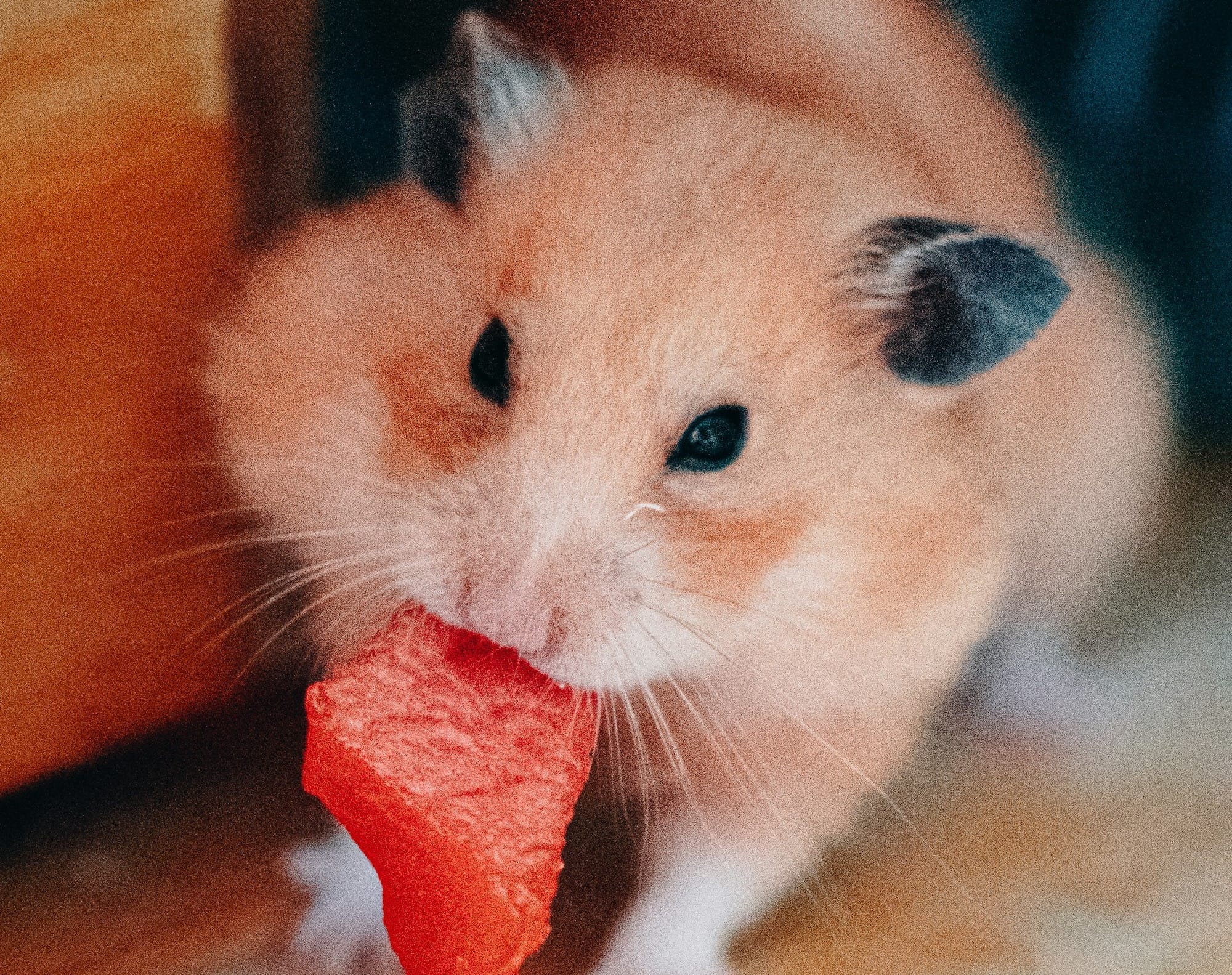
For hamsters, a similar limit applies. Chewy treats or fresh foods like beef should be limited to no more than 10% of a hamster's total diet [11]. Hamsters are omnivores that can consume some beef as long as their overall diet maintains a protein level of 15% to 20% [11]. For Amazon parrots, serving guidance is even more conservative. Beef must only be provided in tiny, occasional amounts rather than as a primary food source [1].
Preparation Methods: How to Serve Beef Safely
Cooking is the single most important step when preparing beef for any pet. All animal-sourced proteins should be cooked until they reach a safe internal temperature to reduce or eliminate the risk of illness from pathogenic contaminants [12]. For cats specifically, beef should be cooked because they have adapted to consuming cooked diets and can digest the nutrients more safely than raw meat [7].
For dogs, the guidance is equally clear. Plain, fully cooked, unseasoned beef is what is safe [6, 12]. Seasoning is a key word here — garlic, onion, salt, and other common flavourings are harmful to pets and must be kept out of any beef offered to them. For Amazon parrots, beef must be lean and fully cooked, and offered only in tiny, occasional amounts [1].
For hamsters, the same principle of plain, cooked preparation applies within their 10% treat limit [11]. In all cases, removing any bones before serving is non-negotiable.
What to Avoid
Cooked beef bones are an absolute no-no. For dogs, cooked bones are brittle and prone to splintering, which can cause obstruction or perforation of the intestinal tract [8]. For cats, swallowing pieces of bone can cause a blockage that often requires surgical removal and can lead to life-threatening complications like sepsis [2]. This is a hard rule with no exceptions.
For parrots, processed or fatty meats must be avoided entirely, as must any beef that has been seasoned with salt [1]. For gerbils, homemade diets that include table scraps — beef included — are usually not nutritionally balanced, and high-quality commercial pellets should take priority [10]. And for rabbits and guinea pigs, the answer is simply no: beef should never be offered, full stop [4, 5].
Frequently Asked Questions
Can dogs eat beef?
Yes — plain, fully cooked, unseasoned beef is generally safe for dogs and is already a common protein in many commercial dog foods [6, 12]. However, the American Veterinary Medical Association discourages feeding raw or undercooked beef due to the risk of pathogens such as Salmonella, Campylobacter, and E. coli [12]. Beef should be offered as a treat only, making up no more than 10% of your dog's daily calories [8]. Also be aware that beef is one of the most common food allergens in dogs, so monitor for itchy skin, vomiting, or diarrhoea after introducing it [3, 6].
Is raw beef safe for cats?
No — feeding cats raw beef is potentially dangerous. Nearly 25% of raw pet food samples have tested positive for harmful bacteria like Salmonella and Listeria, which can cause vomiting, bloody diarrhoea, and fever in cats [2]. The American Veterinary Medical Association discourages raw or undercooked animal protein for cats [12]. Beef should always be fully cooked before being offered to a cat, and it should remain a small supplement to a complete, balanced diet rather than a primary food source [7, 12].
Can rabbits and guinea pigs eat beef?
No. Both rabbits and guinea pigs are strict herbivores and should never be fed meat of any kind. Rabbits have specialised digestive systems for processing high-fibre plant material, and introducing inappropriate foods like beef can disturb their digestive flora and cause an overgrowth of toxin-producing bacteria that can be fatal [5, 9]. Guinea pigs are equally unsuited to animal protein; beef is entirely inappropriate for their digestive needs [4].
Can hamsters and birds eat beef?
Hamsters are omnivores and can consume some beef, provided their overall diet maintains a protein level of 15% to 20% and beef is limited to no more than 10% of their total diet [11]. Amazon parrots can occasionally eat very small quantities of lean cooked beef as part of a varied diet, but it must be fully cooked, unseasoned, and offered only in tiny amounts — never as a staple [1]. Processed or fatty meats, and anything seasoned with salt, must be avoided for parrots [1].
What are the signs of a beef allergy in pets?
In dogs, the most common sign of a beef allergy is pruritus — itchy skin — which may be focal or generalised and often affects the ears, feet, and abdomen [3, 6]. In cats, allergic reactions to beef typically cause pruritus of the face, ears, and neck, leading to scratching, rubbing, or self-inflicted fur removal [3]. Both species can also experience gastrointestinal symptoms including vomiting, diarrhoea, increased frequency of defecation, and flatulence [3]. If you notice any of these signs after introducing beef, consult your veterinarian.
Can pets eat beef bones?
No — cooked beef bones should never be fed to any pet. For dogs, cooked bones are brittle and prone to splintering, which can cause obstruction or perforation of the intestinal tract [8]. For cats, bone fragments can cause a blockage that often requires surgical removal and can lead to life-threatening complications like sepsis [2].
The verdict on beef for pets is nuanced, but the core rules are clear. For dogs and cats, plain, fully cooked, unseasoned beef can be a safe and nutritious addition to a balanced diet, provided it is kept as a small treat rather than a dietary mainstay, and provided raw beef is firmly off the menu [6, 7, 12].
For small omnivores like hamsters, modest amounts of cooked beef can fit within a balanced diet [11]. Amazon parrots can tolerate the occasional tiny portion of lean cooked meat [1].
Whatever species shares your home, the golden rule is the same: cook it, keep portions small, skip the seasoning, and always check in with your vet before making changes to your pet's diet.
[1] VCA on parrot feeding; birds may have tiny occasional amounts of lean cooked meat
[2] VCA on raw-food bacterial risk in cats (~25% of raw samples test positive)
[3] Merck Vet Manual; beef is the #1 food allergen in both dogs and cats
[4] MSD Vet Manual; guinea pigs are strict herbivores
[5] VCA on rabbit diet; herbivore, never feed non-plant foods
[6] VCA; beef among the most common canine food allergens, allergy signs
[7] VCA; cats are obligate carnivores requiring animal-tissue nutrients
[8] VCA; cooked-bone hazard, 10% treat rule, homemade-diet imbalance
[9] MSD Vet Manual; rabbit hindgut fermentation, dysbiosis risk
[10] MSD Vet Manual; gerbil omnivore diet, table scraps not balanced
[11] MSD Vet Manual; hamsters are omnivores, 15–20% protein, 10% treat limit
[12] AVMA policy; raw/undercooked beef pathogen risk for dogs and cats
Note: Some of the sources cited here are published by international veterinary authorities and may not be directly accessible from all regions. The reference is provided as a record of where the information comes from. For a clear indication of our editorial policy, please click here.