


From tail-wagging safe to seriously toxic — the truth about black beans and your pets.
Black beans are a kitchen staple in some households, but before you share a spoonful with your furry or feathered companion, there is a lot you need to know. The answer depends heavily on which pet you have, how the beans are prepared, and what else is in the bowl.
Raw or undercooked beans contain a toxin called phytohaemagglutinin that can cause severe gastrointestinal illness in mammals, with as few as four or five raw beans enough to trigger poisoning [10]. Some species, like birds, can safely enjoy cooked beans as part of a balanced diet [6], while others, including rabbits and tortoises, should avoid legumes almost entirely [5, 3].
"Never prepare beans for your pet in a slow cooker. Slow cookers often do not reach temperatures high enough to destroy phytohaemagglutinin, the lectin toxin in raw beans — and undercooking may actually make beans more toxic [10]. Always soak dried beans for at least 5 hours, then boil in fresh water for at least 30 minutes on the stovetop."
• Raw and undercooked black beans contain phytohaemagglutinin, a lectin toxin that can cause severe vomiting and diarrhoea in mammals — as few as four or five raw beans can trigger poisoning [10].
• Proper preparation is essential: Beans must be soaked for at least 5 hours and boiled in fresh water for at least 30 minutes to destroy the lectin toxin to safe levels [10].
• Birds can eat cooked beans safely as part of their daily fresh produce offering, but canned beans packed in salt or sugar should be avoided [6].
• Rabbits should never eat beans or legumes of any kind, as they cause dangerous bloating and life-threatening disruption of intestinal flora [5].
• The FDA is investigating legume-heavy diets in dogs due to a potential link with canine dilated cardiomyopathy, a serious heart condition [1, 9].
Are Raw Beans Toxic to Pets? The Lectin Problem
The biggest danger hiding inside a black bean is not something you can see, smell, or taste. Phytohaemagglutinin is a sugar-binding lectin found in high concentrations in Phaseolus vulgaris seeds — the species that includes black turtle beans and red kidney beans [10]. In mammalian species, this toxin agglutinates red blood cells and interferes with cellular metabolism, causing severe upper and lower gastrointestinal illness [10].

The dose required to cause harm is alarmingly small. In mammals, as few as four or five raw beans can be sufficient to trigger symptoms of phytohaemagglutinin poisoning, and the severity of the resulting illness is directly related to the specific dose consumed [10]. Symptoms typically begin with extreme nausea and severe vomiting within one to three hours of ingestion, followed by diarrhoea and abdominal pain [10]. Recovery is usually rapid once the toxin is cleared from the system, but it is a deeply unpleasant experience for your pet and for you [12].
 Preventive
What makes this especially tricky for pet owners is a common kitchen workaround that actually makes things worse. Using a slow cooker to prepare beans is unsafe because these appliances often reach internal temperatures of only 75 degrees Celsius or less — inadequate to destroy the lectin toxin — and some studies indicate that undercooking beans in this way can actually increase their toxicity [10].
How to Prepare Black Beans Safely for Pets
If you do plan to offer cooked black beans to a pet species for which beans are appropriate, preparation method is everything. To destroy phytohaemagglutinin, beans must be soaked in water for at least 5 hours and then boiled in fresh water for at least 30 minutes [10]. This process reduces the toxin level from as high as 70,000 units in raw beans to a safe range of 200 to 400 units [10].
Full boiling on a stovetop, not simmering, and not slow-cooking, is the only method that reliably achieves this result [10]. Once properly prepared and cooled, the beans should be served plain, with no added salt, seasonings, sauces, or flavourings of any kind.
What to Avoid: Seasoned Beans, Canned Products, and Fermented Sauces
Plain cooked black turtle beans are an entirely different product from the seasoned and processed bean foods found in most kitchens and restaurants. For dogs and cats, plain cooked black turtle beans are distinct from fermented Chinese black beans (douchi), which are salt-heavy fermented soybeans [8]. Fermented products and salted canned beans carry a high risk of sodium toxicity [8].
For dogs and cats, excessive salt intake from seasoned or processed foods can cause increased thirst, urination, vomiting, and diarrhoea [8]. In severe cases of sodium toxicity, pets may develop tremors, seizures, depression, and potentially fatal electrolyte imbalances [8]. Beyond seasoning, hard whole dry beans also present a physical hazard. Consuming hard beans can cause physical injury or an obstruction of the gastrointestinal tract, a serious medical issue that may require surgical intervention [8].
For birds specifically, canned beans should be avoided because they are often packed in large amounts of salt or sugar [6]. Always start with dried beans that you have soaked and boiled yourself, or offer fresh cooked beans with no additives.
Can Dogs Eat Black Beans?
This is where things get more complicated for dog owners. While properly cooked, plain black beans are not acutely toxic to dogs in the same way raw beans are, there is a broader concern that has caught the attention of regulators. Grain-free pet food formulations containing high proportions of legume seeds — such as peas and lentils — have been associated with reports of canine dilated cardiomyopathy, a serious and potentially fatal heart condition [1, 9]. The FDA is investigating these pulses as main ingredients to determine whether they contribute to non-hereditary heart disease in breeds not previously known to be predisposed [1, 9].
It is important to note that this investigation relates primarily to commercially formulated grain-free diets where legumes are a central, high-proportion ingredient, not to the occasional plain bean as a treat [1, 9]. That said, given the active nature of this investigation, it is wise to discuss any regular inclusion of beans in your dog's diet with your veterinarian before proceeding.
Are Black Beans Safe for Cats?
For cats, the question of safety goes beyond just the lectin toxin. Even properly cooked, plain black beans are nutritionally inappropriate as a primary protein source for cats, because cats are obligate carnivores that evolved to rely on nutrients found only in animal products [4]. Their digestive systems require high amounts of animal protein and fat with minimal carbohydrates to maintain health [4].

This does not mean that a small accidental nibble of a cooked, plain black bean will harm your cat, but it does mean that beans have no meaningful nutritional role in a feline diet. If your cat has consumed seasoned beans, black bean sauce, or fermented douchi, the sodium content is the more immediate concern, and you should contact your veterinarian [8].
Can Rabbits Eat Black Beans?
No. For rabbits, this is a clear and firm answer from the available evidence. Kidney beans and similar legumes are considered toxic and should never be fed to rabbits because they cause abdominal discomfort, bloating, and life-threatening dysbiosis of the intestinal flora [5]. These beans are also too acidic and high in carbohydrates for a rabbit's unique nutritional requirements [5].
Rabbits have highly sensitive digestive systems, and disruption to their gut flora can become fatal very quickly. Black beans — raw, cooked, or otherwise — should be kept well out of reach of your rabbit at all times.
Can Birds Eat Cooked Beans? A Safer Story
Among the companion animals discussed here, birds are the species that handles beans best. Cooked beans are a recommended vegetable that can be offered daily to birds as part of a fresh produce mix comprising 20 to 40 percent of their diet [6]. This makes properly prepared cooked beans a legitimate and useful dietary addition for many pet bird species.
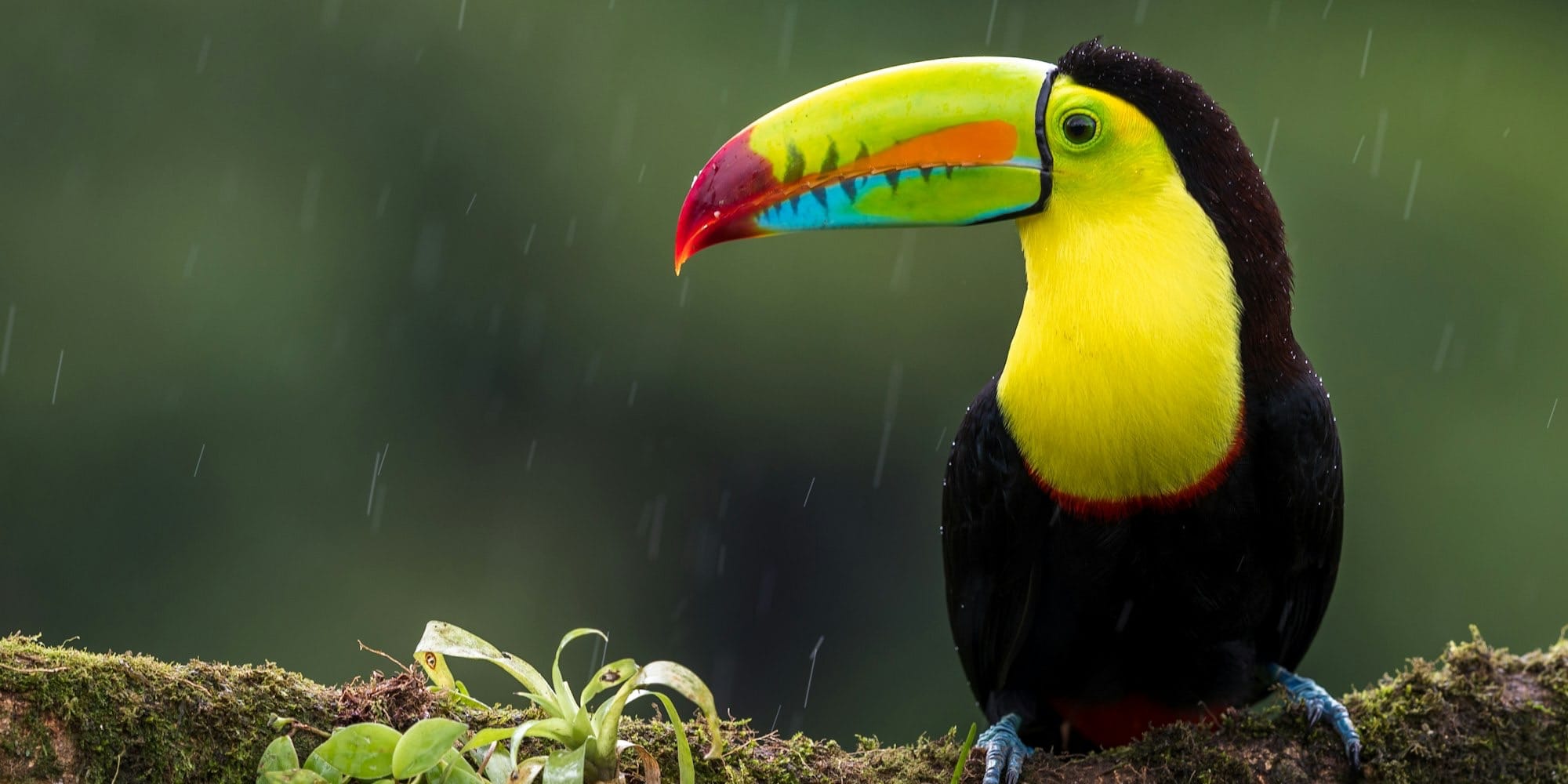
The key caveats remain the same: The beans must be properly cooked (soaked and fully boiled, not slow-cooked), and canned beans should be avoided because they are often packed in large amounts of salt or sugar [6, 10]. Offer plain, cooled, cooked beans as part of a varied produce offering rather than a standalone meal.
Tortoises and Turtles: A Species-Specific Picture
The tortoise situation is more nuanced and depends significantly on the species in question. For Mediterranean and Desert tortoises, high-protein items like beans cause a dangerous increase in blood urea levels that leads to renal stress and kidney failure [3]. These foods also contribute to impacted bladder stones and a painful condition called articular gout, where uric acid deposits infiltrate the joints [3]. In juvenile tortoises of these species, high-protein diets containing beans can also cause rapid, unnatural growth that leads to permanent carapace malformations, a deformity commonly called pyramiding [3, 7].
For aquatic turtles like red-eared sliders, green beans are listed as a desirable vegetable that can be left in the tank for the turtle to nibble on throughout the day, as these turtles are omnivores that require a balance of vegetable matter and animal protein [2].

If you keep a tortoise or aquatic turtle, the safest approach is to identify your exact species and consult a reptile-experienced veterinarian before introducing any legume to their diet.
Can eat?Frequently Asked Questions
Can dogs eat black beans?
Properly cooked, plain black beans are not acutely toxic to dogs in small amounts. However, the FDA is actively investigating whether legume-heavy diets are linked to canine dilated cardiomyopathy, a serious heart condition, particularly in grain-free commercial formulations where legumes are a primary ingredient [1, 9]. Raw or undercooked beans are dangerous for dogs due to the phytohaemagglutinin lectin toxin, which can cause severe vomiting and diarrhoea with as few as four or five raw beans [10]. Always consult your veterinarian before adding beans to your dog's diet.
Are black beans safe for cats?
Cooked, plain black beans are not immediately toxic to cats, but they are nutritionally inappropriate. Cats are obligate carnivores whose digestive systems require high amounts of animal protein and fat with minimal carbohydrates, making plant-based proteins like black beans an unsuitable protein source [4]. Seasoned beans, canned beans, or fermented black bean products pose a sodium toxicity risk and should be kept away from cats entirely [8].
Can rabbits eat black beans?
No. Kidney beans and similar legumes should never be fed to rabbits. They cause abdominal discomfort, bloating, and life-threatening dysbiosis of the intestinal flora [5]. Black beans are also too acidic and high in carbohydrates for a rabbit's unique nutritional requirements [5]. Black beans — raw, cooked, or otherwise — should be completely avoided for rabbits.
Can birds eat cooked beans?
Yes. Cooked beans are a recommended vegetable for birds that can be offered daily as part of a fresh produce mix [6]. However, canned beans should be avoided because they are often packed in large amounts of salt or sugar [6]. Beans must be properly prepared by soaking for at least 5 hours and boiled for at least 30 minutes to eliminate the phytohaemagglutinin lectin toxin before being offered to birds [10].
Are raw beans toxic to pets?
Yes, raw beans are toxic to mammalian pets. Phytohaemagglutinin, a lectin found in high concentrations in raw black turtle beans and red kidney beans, agglutinates red blood cells and interferes with cellular metabolism, causing severe gastrointestinal illness [10]. As few as four or five raw beans can trigger poisoning in mammals, with symptoms including extreme nausea and severe vomiting beginning within one to three hours of ingestion [10]. Beans must be soaked for at least 5 hours and boiled in fresh water for at least 30 minutes to reduce toxin levels to a safe range [10].
Is it safe to use a slow cooker to prepare beans for my pet?
No. Using a slow cooker to prepare beans for pets (or humans) is unsafe because these appliances often reach internal temperatures of only 75 degrees Celsius or less which is not enough to destroy the phytohaemagglutinin lectin toxin [10]. Some studies indicate that undercooking beans in a slow cooker can actually increase their toxicity [12]. Beans should always be fully boiled on a stovetop after soaking.
Black beans are one of those foods that sit in a genuinely complicated middle ground for pet owners. They are not universally dangerous, but they are not universally safe either and the method of preparation matters enormously for every species. Raw beans are a toxicity risk for all mammalian pets, the FDA's ongoing investigation means regular bean feeding in dogs warrants a conversation with your vet, rabbits should never have beans under any circumstances, and tortoises require careful species-specific guidance before any legume is offered [10, 1, 9, 5, 3]. Birds remain the clearest beneficiaries of a properly cooked bean, provided it is free of salt, sugar, and seasoning [6].
When in doubt — and in many cases here, doubt is entirely reasonable — consult your veterinarian before sharing your pantry staples with your pet.
[1] FDA investigation summary on legume-heavy grain-free diets and canine DCM
[2] VCA on aquatic turtle omnivore feeding and plant matter inclusion
[3] Tortoise Trust on protein-excess from beans/legumes in tortoises (renal, gout, pyramiding)
[4] Cornell Feline Health Center on cat obligate-carnivore feeding principles
[5] Oxbow on bean and legume GI/dysbiosis risk in rabbits
[6] VCA on fruits/vegetables in bird diets, proportions, polyuria, toxic foods
[7] Merck Vet Manual on tortoise nutrient requirements and vegetable mix
[8] ASPCA on salt / sodium toxicity and GI-obstruction risks
[9] FDA Q&A on legume/pulse role in non-hereditary canine DCM
[10] FDA Bad Bug Book, phytohaemagglutinin (kidney bean lectin) chapter
Note: Some of the sources cited here are published by international veterinary authorities and may not be directly accessible from all regions. The reference is provided as a record of where the information comes from. For a clear indication of our editorial policy, please click here.