

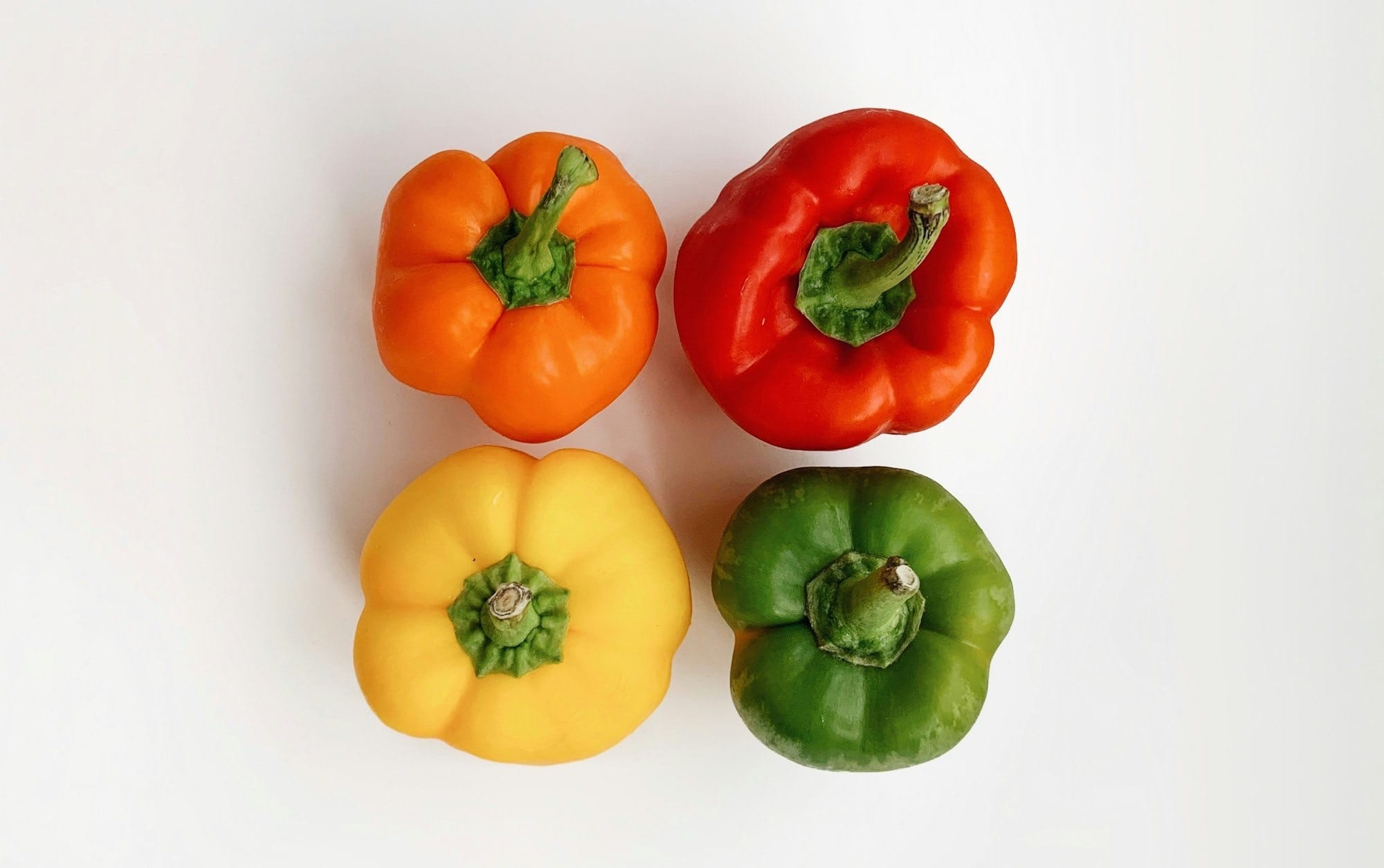
From dogs and cats to guinea pigs and parrots, here is the full guide to feeding bell peppers safely across your pet family.
Bell peppers are a staple in many Singapore kitchens, and it is only natural to wonder whether the pets in your home can share the snack. The good news is that bell peppers are not toxic to dogs or cats, and are actively beneficial for animals like guinea pigs, parrots, and rabbits [1, 2, 5, 7, 10]. The catch is that species, portion size, and preparation all matter. Here is everything you need to know before tossing a slice to your furry or feathered companion.
"Ornamental peppers are toxic to dogs, cats, and horses and can cause seizures, shock, and respiratory depression. Never confuse them with culinary bell peppers, and keep them out of reach of all pets at all times [9]."
• Bell peppers are non-toxic to dogs and can be a healthy occasional snack, with red varieties offering the highest levels of vitamins and antioxidants [2].
• Cats are obligate carnivores and may experience gastrointestinal upset from vegetables, so bell pepper should only ever be an occasional taste in moderation [1].
• Guinea pigs cannot synthesize their own vitamin C and bell peppers — particularly red ones — are an excellent dietary source to help prevent scurvy [10, 11].
• Ornamental peppers are a completely different matter: they contain solanine and are toxic to dogs, cats, and horses, causing serious clinical signs [9].
• Regardless of species, always wash bell peppers thoroughly, remove stems and seeds where advised, and introduce any new food slowly [1, 2, 4].
Nutritional Profile: What Is Actually in a Bell Pepper?
Bell peppers are best known for their vitamin C content, which makes them particularly valuable for animals that cannot produce this nutrient themselves. Red bell peppers are the standout variety as they contain approximately 150mg of vitamin C per half-cup serving, making them one of the most concentrated whole-food sources of the nutrient available for pets [10]. They are also low in calcium — around 8 to 10mg per half-cup — which is relevant for animals prone to bladder stones [10].
For guinea pigs specifically, this nutritional profile is close to ideal. Bell peppers are low in calcium and high in vitamin C, and because they are lower in sugar than many other fruits, they are a safer option than, say, sweet berries [10]. The sugar content is still worth monitoring, however, particularly for hamsters and dwarf hamster species that can be prone to diabetes-related conditions [4].
Bell peppers also contain compounds that may exhibit antibacterial, antifungal, and antioxidant properties, and nutrients with the potential to support cancer prevention and protect brain function — at least in cats, according to available research [1]. For birds such as African grey parrots, the orange, red, and yellow varieties are valued specifically for their vitamin A content, a nutrient essential for immune function, kidney health, skin, and feather condition [5].

Health Benefits: Can Guinea Pigs Eat Bell Peppers Too?
For guinea pigs, bell peppers are not just a treat — they are a dietary necessity. Guinea pigs cannot synthesise vitamin C on their own and must consume it through food to prevent scurvy [10, 11]. Bell peppers, particularly the red variety, are one of the most effective whole-food ways to meet that requirement [10].
Dogs benefit too, albeit less critically. Bell peppers serve as a healthy alternative snack, and red bell peppers are the most nutritious variety for dogs because they contain the highest amounts of vitamins and antioxidants [2]. For cats, the potential benefits include compounds that may support antibacterial, antifungal, and antioxidant activity, along with nutrients linked to cancer prevention and brain function protection — though given how little a cat should actually eat, these benefits are modest in practice [1].
For African grey parrots, the case for bell peppers is particularly compelling. These birds are specifically vulnerable to vitamin A deficiencies, and orange, red, and yellow peppers help address that vulnerability directly [5]. Budgies and parakeets also benefit from the variety that fresh vegetables like peppers bring to their diet, which should make up no more than 20% to 25% of their daily intake [6].
Hamsters can enjoy bell peppers as a healthy, savoury treat. While vitamin C is not typically essential for hamsters unless they are unwell, stressed, or reproducing, bell peppers still offer nutritional value as an occasional addition to their diet [4].

Potential Risks and Side Effects
The biggest risk with bell peppers is overfeeding. For dogs, portions in excess of the recommended amounts can cause gastrointestinal upset, vomiting, or diarrhoea [2]. For cats, whose digestive tracts are specialised for animal protein, even small amounts of vegetable matter can trigger GI upset — which is why bell pepper should only ever be an occasional taste [1].
For rabbits, the risks are more nuanced. While green peppers are acceptable vegetables to supplement a rabbit's hay-based diet, new vegetables must be introduced slowly and in small quantities [7]. Rabbits with poor gut microbiomes can develop diarrhoea or GI stasis from even a small piece of vegetable matter, so caution is essential [8].
The high water content of bell peppers is a specific concern for hamsters since consuming a large amount in one sitting can trigger diarrhoea [4]. Their moderate sugar content also means they must be fed in moderation to avoid conditions that can become deadly for these small animals [4].
Finally ornamental peppers are not the same as culinary bell peppers. Ornamental peppers contain solanine and are toxic to dogs, cats, and horses. Ingestion can cause gastrointestinal disturbances, seizures, depression, respiratory depression, and shock [9]. If you grow ornamental peppers at home, keep them well out of reach of all pets.
Serving Size Guidelines
Portion sizes vary significantly by species and body size. For dogs, large individuals should receive less than half of a pepper, while small dogs should eat less than a quarter of a pepper at a time [2]. For guinea pigs, the recommended amount is less than a quarter of a cup, offered two to three times a week rather than daily [10]. Rabbits should receive a very small piece — approximately 1cm³ — every day or so [8].
For birds, the guideline is proportional. Vegetables and greens should account for no more than 20% to 25% of a budgie or African grey parrot's daily diet [5, 6]. A single serving for a budgie should be approximately the size of a thumbnail [6]. For hamsters, a single piece approximately as long as the animal's head is the appropriate portion [4].
Gerbils can eat small amounts of fresh vegetables like bell peppers as part of a balanced diet alongside commercial pellet food [12]. As with all new foods, starting with smaller amounts and monitoring your pet's response is always the safest approach.

Preparation Methods
Regardless of which pet you are feeding, wash the bell pepper thoroughly to remove any chemicals or bacteria from the surface [1, 2, 4].
For dogs, the outer skin can be steamed or pureed to make the pepper easier to chew and digest [2]. For cats, boiling or cooking the pepper without any added seasonings is recommended to reduce the choking hazard posed by the firm flesh [1]. For hamsters, the pepper should be served raw but washed, and any piece showing signs of mould or spoilage must be discarded [4]. For budgies, the pepper should be cut into small, size-appropriate pieces — it is not necessary to remove the skin [6].
Across all species, the stems and other plant parts must be avoided [1, 2, 4]. For dogs, seeds should also be removed to prevent indigestion [2]. Fresh produce offered to birds should be removed from the cage after a couple of hours to prevent spoilage [5, 6].
What to Avoid
When preparing bell peppers for any pet, never add salt, seasoning, onions, or garlic [2]. These additions are harmful to pets and eliminate any benefit the pepper itself might offer. This rule applies across species — what makes bell peppers safe is their plain, unseasoned form.
Never feed ornamental peppers to any pet. Despite their similar appearance to culinary peppers, ornamental varieties contain solanine and are toxic to dogs, cats, and horses, with the potential to cause seizures, shock, and respiratory depression [9]. When in doubt about which variety of pepper you are handling, do not offer it to your pet at all.
Frequently Asked Questions
Can dogs eat bell peppers safely?
Yes, bell peppers are not toxic to dogs and can serve as a healthy occasional snack [2]. Red bell peppers are the most nutritious variety, offering the highest levels of vitamins and antioxidants [2]. Stick to less than half a pepper for large dogs and less than a quarter of a pepper for small dogs, and always remove seeds and stems [2].
Can guinea pigs eat bell peppers?
Bell peppers are particularly beneficial for guinea pigs because these animals cannot synthesise vitamin C themselves and require it through their diet to prevent scurvy [10, 11]. Red bell peppers are especially valuable, containing approximately 150mg of vitamin C per half-cup [10]. Offer less than a quarter of a cup, two to three times a week rather than daily, to avoid intestinal issues or weight gain [10].
Can rabbits eat bell peppers?
Green peppers are acceptable vegetables that can supplement a rabbit's hay-based diet [7]. However, new vegetables should always be introduced slowly and in small quantities so you can monitor for soft stools or signs of gas pain [7]. The recommended serving size is approximately 1cm³ every day or so, as rabbits on poor diets can develop diarrhoea or GI stasis from even a small piece [8].
Can cats eat bell peppers?
Bell peppers are not toxic to cats, but they should only ever be offered as an occasional taste in moderation [1]. Because cats are obligate carnivores, their digestive tracts are built for animal protein and may react poorly to vegetables [1]. Bell peppers also present a choking hazard due to their firm texture, so cooking them without seasoning before serving is advisable [1].
Are bell pepper plants toxic to pets?
Culinary bell pepper plants are not considered toxic to dogs or cats, but ornamental pepper plants are a serious hazard. Ornamental peppers contain solanine and are toxic to dogs, cats, and horses [9]. Ingestion can cause gastrointestinal disturbances, seizures, depression, respiratory depression, and shock [9]. Always ensure ornamental peppers are kept out of reach of all pets.
Can hamsters eat bell peppers?
Yes, hamsters can eat all colours of bell peppers, which are considered healthy, savoury treats [4]. The appropriate serving is a single piece approximately as long as the hamster's head [4]. However, the moderate sugar content means portions must be kept small, and the high water content can cause diarrhoea if too much is consumed at once [4].
Bell peppers are one of the more versatile and broadly safe vegetables you can share with your pets — but the details matter enormously.
For dogs, they are a nutritious occasional snack when served plain and portioned correctly [2]. For guinea pigs, they are practically a dietary essential given the vitamin C requirement [10, 11]. For cats, they are a sometimes-food at best, given the obligate-carnivore digestive system [1].
Rabbits, birds, hamsters, and gerbils can all enjoy small amounts with proper preparation and appropriate portion control [4, 5, 6, 7, 8, 12]. What none of your pets should ever encounter are ornamental peppers, which are genuinely toxic [9]. When in doubt, check with your vet before introducing any new food — and always start small.
[1] PangoVet/The Vet Desk (vet-reviewed, Dr. Lauren Demos): cats, non-toxicity, obligate-carnivore digestion, choking hazard
[2] AKC (vet-quoted): dogs, non-toxicity, serving sizes, seeds/stems, prep
[3] PetMD (vet-reviewed): dogs, capsaicin vs bell, portion by body weight
[4] PangoVet/The Vet Desk (Dr. Luqman Javed, DVM): hamster, sugar/water moderation, diabetes-prone dwarf species
[5] VCA Animal Hospitals: parrots, peppers as a vitamin A source, 75–80% pellet diet
[6] VCA Animal Hospitals: budgies/parakeets, fruit & veg 20–25% of diet, prep
[7] VCA Animal Hospitals: rabbit diet framework, green peppers acceptable, GI-flora risk
[8] RWAF: rabbit, ~1cm³ serving, diarrhoea/GI stasis risk
[9] ASPCA APCC: ornamental pepper toxic (solanine), clinical signs
[10] Arizona Exotic Animal Hospital: guinea pig vitamin C requirement, scurvy, bell pepper as a source
[11] Vet Help Direct (vet-authored): guinea pig diet ratios, vitamin C
[12] PDSA (vets' advice): gerbil diet, fresh veg as occasional treats
Note: Some of the sources cited here are published by international veterinary authorities and may not be directly accessible from all regions. The reference is provided as a record of where the information comes from. For a clear indication of our editorial policy, please click here.