


That wedge of Roquefort on your cheeseboard could send your dog into seizures.
Blue cheese is not safe for dogs — full stop. The Penicillium mould that gives blue cheese its distinctive veins and pungent flavour produces tremorgenic mycotoxins, specifically penitrem A and roquefortine C, which can cause severe neurological symptoms including tremors and seizures [5, 9, 10]. On top of that, the high fat and salt content in blue cheese puts dogs at serious risk of pancreatitis and sodium ion poisoning [6, 7]. No amount of blue cheese is considered safe for your dog, and the same warning extends to cats, birds, rabbits, guinea pigs, and many other common household pets.
"If your dog eats blue cheese, contact a vet immediately — tremorgenic mycotoxins can cause seizures within 15 minutes of ingestion, and rapid decontamination is critical [9, 10]."
• Blue cheese contains tremorgenic mycotoxins — penitrem A and roquefortine C — produced by Penicillium mould, which can cause muscle tremors, agitation, and life-threatening seizures in dogs [5, 9, 10].
• Clinical signs of mycotoxin poisoning can appear as quickly as 15 minutes after ingestion, and some dogs may experience ongoing ataxia for months or even years after a single episode [9, 10].
• The high fat content in blue cheese can trigger pancreatitis in dogs, a painful and potentially fatal inflammation of the pancreas [6, 7].
• Most cats and dogs are lactose intolerant, meaning even non-mouldy dairy products can cause diarrhoea, bloating, and abdominal discomfort [2, 3, 7].
• Blue cheese is equally dangerous for cats, birds, rabbits, guinea pigs, and rodents — no pet in your household should be given access to it [1, 4, 8, 9, 10].
Why Is Blue Cheese Toxic to Dogs? The Mould Is the Problem
Blue cheese gets its characteristic blue-green veins from Penicillium mould cultures, and it is precisely this mould that makes it so dangerous for dogs [9, 10]. Penicillium produces tremorgenic mycotoxins, chiefly penitrem A and roquefortine C, that attack the nervous system [5, 9, 10]. These are not trace contaminants; they are an inherent part of what blue cheese is.
When a dog ingests blue cheese, these mycotoxins are rapidly absorbed into the bloodstream. The onset of clinical signs can occur as quickly as 15 minutes after ingestion, though the window extends to around two hours [9, 10]. Many dogs recover within 24 to 48 hours, but some may experience ongoing ataxia (a loss of coordination) for months or even years [9, 10]. The dose of toxins ingested relative to the dog's body size affects how quickly symptoms appear and how severe they become [6, 9, 10].
Dogs with indiscriminate eating habits, the ones who will wolf down anything left unattended, are at far greater risk of tremorgenic mycotoxicosis because they are more likely to scavenge mouldy cheese from bins, countertops, or compost piles [6, 9, 10]. There is no age, sex, or breed predisposition that makes one dog safer than another; any dog that consumes blue cheese is at risk [6, 9, 10].
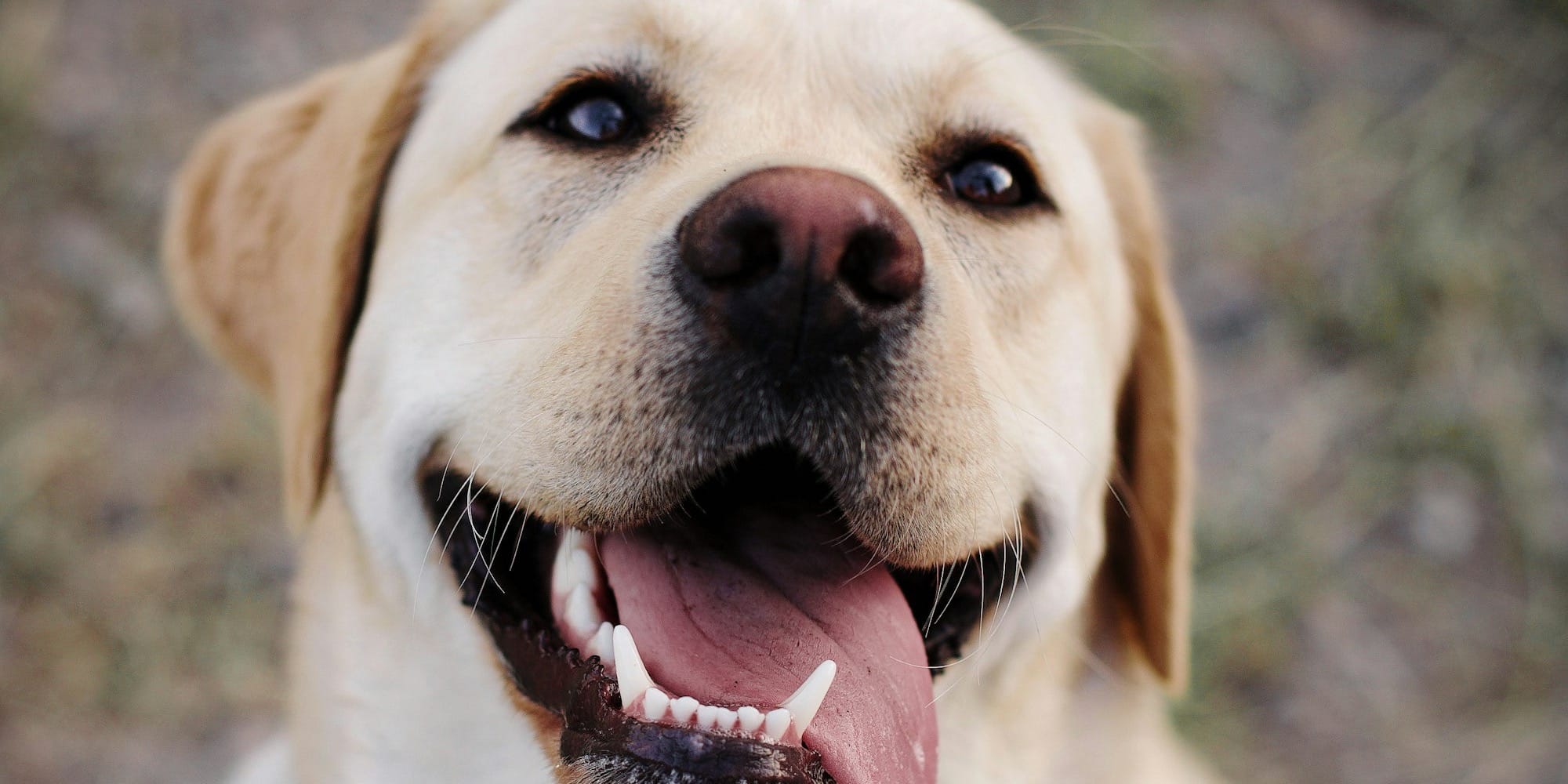
Roquefortine C Poisoning in Dogs: What Symptoms Look Like
The clinical picture of tremorgenic mycotoxin poisoning in dogs is alarming. Affected dogs typically show muscle tremors, vomiting, agitation, and incoordination [5, 10]. Seizures are a serious and well-documented outcome [5, 9, 10]. Additional signs include hyperthermia (dangerously elevated body temperature), tachycardia, and nystagmus, which is an involuntary rapid movement of the eyes [5, 10].
It is worth understanding that penitrem A is identified as the primary toxin responsible for these neurological effects, with Penicillium mould found not just in blue cheese but also on nuts, meat, and compost [9]. This means your dog does not need to eat a large quantity of blue cheese for poisoning to occur; even a small amount from a discarded rind or a shared platter could trigger a dangerous reaction.
Beyond the mycotoxin risk, excessive salt intake from blue cheese can lead to salt toxicity in dogs, manifesting as increased thirst, vomiting, and diarrhoea [7, 9]. Severe salt toxicity can progress to tremors, seizures, and death due to abnormal electrolyte levels in the blood [7, 9].
The Fat and Lactose Problem: More Reasons Blue Cheese Is Bad for Dogs
Even setting the mould toxins aside, blue cheese poses two additional health risks for dogs: Its high fat content and its lactose content.
The high fat content in foods like cheese can trigger pancreatitis in dogs, a condition where the pancreas becomes inflamed and digestive enzymes begin to digest the organ itself [6, 7]. Clinical signs of pancreatitis include nausea, vomiting, abdominal pain, and a characteristic posture where the front legs are lowered while the rear remains elevated, sometimes described as a praying position [6, 7]. Pancreatitis can range from uncomfortable to life-threatening, and fatty foods are a well-established trigger [6, 7].
Most dogs also lack significant amounts of the enzyme lactase, making them lactose intolerant and prone to diarrhoea, bloating, and abdominal discomfort after eating dairy products [3, 7]. So even if a piece of blue cheese somehow contained no active mycotoxins — which is not a reliable assumption — it could still leave your dog with a very upset stomach [3, 7].

What About Other Pets? Cats, Birds, Rabbits, and More
Dogs are not the only pets at risk. Blue cheese poses serious hazards across a wide range of species commonly kept as pets in Singapore.
Cats are considered at risk for severe toxicity from the tremorgenic mycotoxins found in blue cheese [5, 9]. While there are no published reports of cats being poisoned specifically by penitrem A, this is thought to be due to cats' more discerning eating habits rather than any biological resistance to the toxins [5, 9]. Like dogs, most cats are lactose intolerant and may experience vomiting and abdominal pain from any dairy product [2, 7].
For birds, the risks are even more acute. Birds are highly lactose intolerant and are simply incapable of properly digesting dairy, which can lead to severe inflammatory reactions or death [1, 5]. On top of the mycotoxin danger, cheese ingestion in birds can cause complete gastrointestinal obstruction — a life-threatening emergency that can kill a bird within 48 to 72 hours [1].
Rabbits are strict herbivores and should never be fed dairy products because they are unable to properly digest them, leading to gastrointestinal upset, obesity, and disruption of their natural gut microbiome [8, 10]. Guinea pigs are specifically identified as being susceptible to penitrem A toxicity, and as herbivores they should only be fed grass, hay, and vegetables [4, 9, 10]. Rodents such as hamsters and gerbils are also at risk for tremorgenic neuromycotoxicosis, with clinical signs including tremors, ataxia, and seizures [9, 10].

My Dog Ate Blue Cheese — What Should I Do Right Now?
If your dog has eaten blue cheese, time matters. Prompt veterinary care is crucial to prevent further toxin absorption [9, 10]. Decontamination methods such as induced vomiting or gastric lavage may be used by your vet to limit how much of the toxin enters the bloodstream [9, 10].
Because tremorgenic mycotoxins are rapidly absorbed and can cause life-threatening seizures, managing muscle tremors and hyperthermia is a clinical priority [9, 10]. Do not wait for symptoms to appear before calling your vet or an emergency animal clinic. The window between ingestion and the onset of serious neurological signs can be as short as 15 minutes [9, 10].
Contact your veterinarian or an emergency veterinary clinic immediately if your dog has eaten blue cheese, particularly if you notice any tremors, vomiting, disorientation, or collapse.
 Preventive
Frequently Asked Questions
Can dogs eat blue cheese?
No. Blue cheese is not safe for dogs. It contains tremorgenic mycotoxins — penitrem A and roquefortine C — produced by Penicillium mould, which can cause severe neurological symptoms including muscle tremors and seizures [5, 9, 10]. The high fat content also puts dogs at risk of pancreatitis, and the salt content can lead to sodium ion poisoning [6, 7]. No amount of blue cheese is considered safe.
Is blue cheese toxic to dogs?
Yes, blue cheese is toxic to dogs. The Penicillium mould used to ripen blue cheese produces tremorgenic mycotoxins that attack the nervous system [5, 9, 10]. These toxins can be rapidly absorbed after ingestion, with clinical signs appearing as quickly as 15 minutes later [9, 10]. The high fat and salt content add further risks of pancreatitis and salt toxicity [6, 7].
My dog ate blue cheese — what should I do?
Contact your veterinarian or an emergency animal clinic immediately. Prompt care is crucial to prevent toxin absorption through decontamination methods such as induced vomiting or gastric lavage [9, 10]. Do not wait for symptoms to develop, as tremorgenic mycotoxins are rapidly absorbed and can cause life-threatening seizures [9, 10]. Watch for tremors, vomiting, agitation, incoordination, and seizures [5, 10].
Can cats eat blue cheese?
No. Cats are considered at risk for severe toxicity from the tremorgenic mycotoxins in blue cheese [5, 9]. The lack of published poisoning cases in cats is thought to be due to their more discerning eating habits, not any biological resistance to the toxins [5, 9]. Most cats are also lactose intolerant and may experience vomiting and abdominal pain from dairy products [2, 7].
What are the symptoms of roquefortine C poisoning in dogs?
Dogs affected by tremorgenic mycotoxins such as roquefortine C typically show muscle tremors, vomiting, agitation, incoordination, and seizures [5, 10]. Additional signs include hyperthermia, tachycardia, and nystagmus [5, 10]. Symptoms can appear as quickly as 15 minutes after ingestion, and some dogs may experience ongoing ataxia for months or even years after the initial episode [9, 10].
Is blue cheese safe for rabbits, guinea pigs, or birds?
No. Blue cheese is dangerous for all three species. Rabbits cannot properly digest dairy, leading to gastrointestinal upset, obesity, and disruption of their gut microbiome [8, 10]. Guinea pigs are specifically identified as susceptible to penitrem A toxicity from Penicillium mould [4, 9, 10]. Birds are highly lactose intolerant and cannot digest dairy at all, and are also at risk from mycotoxins; cheese can even cause fatal gastrointestinal obstruction in birds within 48 to 72 hours [1, 5].
Blue cheese is one of the most dangerous human foods you could share with your pet. The risks are not limited to dogs — cats, birds, rabbits, guinea pigs, and rodents all face serious harm from the tremorgenic mycotoxins produced by the Penicillium mould that defines this cheese [5, 9, 10]. For dogs specifically, the combination of neurotoxic mould, high fat, and high salt creates a triple threat: Potential seizures, pancreatitis, and sodium ion poisoning [5, 6, 7, 9, 10].
If your pet has eaten blue cheese, do not wait to see how they feel — contact your vet without delay. When it comes to cheeseboard nights at home, keep the board well out of reach, and save the Roquefort strictly for yourself.
[1] The BIRD Clinic Veterinary Corporation on cheese ingestion in psittacine birds: lactose intolerance, mozzarella obstruction risk, proventriculitis from soft cheeses
[2] VCA on food intolerance in cats including lactose intolerance signs
[3] VCA on food intolerance in dogs including lactose intolerance signs
[4] RSPCA Australia guinea pig care, explicitly listing dairy products as foods not to feed
[5] Pet Poison Helpline on mycotoxins in moldy food (cheese, bread, nuts, compost), naming roquefortine, penitrem, aflatoxin, Penicillium; species at risk include dogs, cats, horses, livestock, wildlife
[6] VCA on canine pancreatitis, high-fat trigger foods, clinical signs and treatment
[7] ASPCA list of people foods to avoid: milk and dairy (lactose), salt toxicity, fat-driven pancreatitis
[8] NC State Veterinary Hospital on rabbit nutrition; explicitly lists meats, eggs, and dairy as harmful (GI upset, obesity, microbiome disruption)
[9] Today's Veterinary Practice (Waratuke DVM DABT, ASPCA APCC) on tremorgenic mycotoxin intoxication: penitrem A as primary toxin, Penicillium on cheese/nuts/meat/compost, clinical signs, diagnosis, treatment
[10] Merck Veterinary Manual on Penicillium-derived mycotoxins (penitrems A and E, roquefortine C, verruculogen, thomitrems); species at risk include dogs, cattle, sheep, rabbits, poultry, and rodents; onset 1–2 hours, supportive care
Note: Some of the sources cited here are published by international veterinary authorities and may not be directly accessible from all regions. The reference is provided as a record of where the information comes from. For a clear indication of our editorial policy, please click here.