

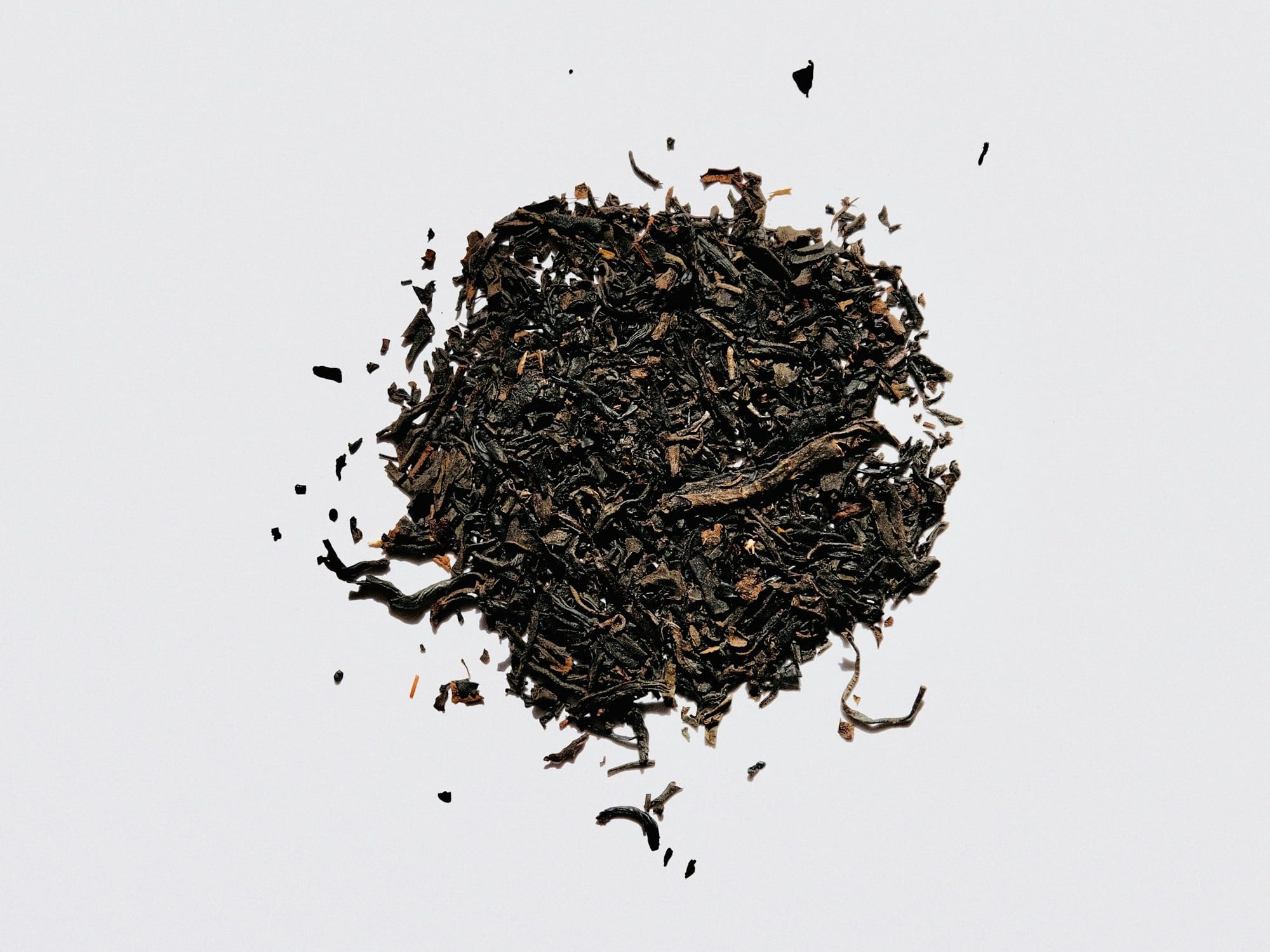
That leftover cup of breakfast tea could send your pet to the emergency vet.
Black tea might be your morning ritual, but for your dog, cat, rabbit, or bird, even a few sips could spell serious trouble. Across species — dogs, cats, birds, rabbits, rodents, and reptiles — black tea and other caffeinated products are toxic, because these animals are far more sensitive to the effects of caffeine than humans are [2, 4, 6, 8]. While lapping up a small amount of brewed liquid may not cause serious illness in every case, concentrated forms like tea bags can trigger severe toxicity or even death [2, 4, 6, 8].
"If your pet eats a tea bag, treat it as an emergency. Tea bags contain highly concentrated caffeine that can cause seizures, cardiac arrhythmias, and in severe cases, death — and the bag itself can cause an intestinal obstruction on top of the poisoning [2, 3, 6, 8]."
• Black tea is toxic to dogs, cats, birds, rabbits, rodents, and reptiles — these animals are more sensitive to caffeine than humans [2, 4, 6, 8].
• The dangerous compounds are methylxanthines — caffeine, theobromine, and theophylline — which overstimulate the nervous system, gastrointestinal tract, and heart [5, 7, 8, 10].
• Tea bags, loose leaves, and tea pods are far more dangerous than brewed liquid because caffeine is highly concentrated in these forms [2, 3].
• Clinical signs can appear within 1 to 2 hours of ingestion and may persist for 12 to 72 hours [4, 5, 7, 9].
• Tea bags and their foil or plastic wrappers also pose a separate risk of intestinal obstruction, on top of the chemical toxicity [6, 8].
What Makes Black Tea Dangerous: The Compounds Behind Caffeine Poisoning in Pets
Black tea contains a group of chemicals called methylxanthines such as caffeine, theobromine, and theophylline [5, 7, 8, 10]. These act as powerful stimulants that can send a pet's nervous system, gastrointestinal tract, and heart into overdrive [5, 7, 8, 10].
At a cellular level, caffeine competitively inhibits adenosine receptors and can inhibit phosphodiesterase, which leads to increased levels of cyclic AMP and calcium within cells [7]. The result is dangerous stimulation of the central nervous system and the heart, alongside increased strength and contractility of skeletal and cardiac muscle [7].
This is not a compound that pets can simply metabolise and move on from. Large ingestions can cause permanent damage to major organs, including the heart, liver, kidneys, and central nervous system [1, 4]. In birds, heavy consumption of methylxanthines can cause potentially permanent nerve damage if the condition is not diagnosed and treated early [1, 4].
Is Black Tea Safe for Cats, Dogs, and Other Pets? Toxic Dose Thresholds Explained
For dogs, a baseline dose of approximately 20mg per kilogram of body weight can trigger mild clinical signs, with cardiotoxic effects beginning at 40 to 50mg/kg and seizures possible at 60mg/kg or higher [3, 5, 7]. A consumption level of 140mg/kg is considered fully toxic [3, 5, 7].
For cats, the toxic threshold for caffeine consumption ranges between 80 and 150mg per kilogram of body weight [5]. For a cat weighing between roughly 0.45kg and 4.5kg, ingesting more than approximately 43ml of brewed tea or 1.4g of coffee beans is considered a toxic amount [5].
For context on how concentrated the risk can be: An entire tea pod can be enough to cause severe clinical signs in a medium-sized dog [2, 3]. Birds, rabbits, rodents, and reptiles are equally at risk — caffeine and related methylxanthine alkaloids are toxic and can be fatal in these species, and caffeine is specifically listed as a substance rabbits and rodents should never be fed [6, 8, 11]. In reptiles, ingestion of methylxanthine alkaloids has been known to cause toxicity or death, with effects including constricted blood vessels and a rapid, weak heartbeat [6].
Symptoms of Caffeine Poisoning in Pets: What to Watch For
Early signs of caffeine toxicity in dogs and cats typically include restlessness, hyperactivity, jitteriness, and an inability to settle [4, 5, 7, 9]. Pets may also show panting, vomiting, diarrhoea, excessive thirst, and increased urination as the stimulant takes effect [4, 5, 7, 9].
As toxicity progresses, the situation escalates quickly. Severe signs include tremors, seizures, and cardiac arrhythmias or a rapid and irregular heartbeat [1, 2, 3, 7, 8, 10]. Advanced cases can progress to loss of muscular control, high blood pressure, fever, coma, and respiratory failure [1, 2, 3, 7, 8, 10].
In birds, even a few sips of caffeinated tea can cause an increased heart rate, arrhythmias, hyperactivity, vomiting, diarrhoea, tremors, seizures, and potentially fatal cardiac arrest [1, 10]. Small avian species are particularly sensitive to methylxanthines [1, 10].
Clinical signs in dogs and cats usually begin within 1 to 2 hours of ingestion, though they may take up to 6 to 12 hours to appear in some cases [4, 5, 7, 9]. Depending on the amount ingested and the effectiveness of treatment, symptoms can persist for 12 to 72 hours [4, 5, 7, 9].
 Preventive
The Hidden Hazard: Why Tea Bags Are Even More Dangerous Than Brewed Tea
Not all tea exposures carry the same level of risk. Brewed liquid is diluted, which means a few accidental laps may not always cause serious harm, but this should never be taken as a green light [2, 4, 6, 8]. Unused tea bags, loose tea leaves, and tea pods are an entirely different matter because the caffeine is highly concentrated in these forms [2, 3].
Beyond the chemical toxicity, tea bags and their foil or plastic wrappers pose a separate and distinct risk of causing a physical intestinal obstruction if swallowed [6, 8]. This means a curious pet who snags a used tea bag from the bin could be facing two emergencies at once: Poisoning and a potential blockage (Editor's note: My cat is especially prone to this).
What to Avoid: A Clear List for Every Pet Owner
Do not give any caffeinated products to pets of any species. This includes brewed black tea, unused tea bags, loose leaf tea, tea pods, and any product that contains caffeine, theobromine, or theophylline [2, 3, 4, 6, 8, 11].
This applies across the board — not just for dogs and cats, but for birds, rabbits, guinea pigs, rodents, and reptiles as well [6, 8, 9, 11]. The sensitivity of these animals to methylxanthines means there is no safe serving size to offer. Keep tea bags, leaves, and pods stored securely out of reach, and dispose of used bags in a bin that cannot be accessed by your pet.
Frequently Asked Questions
Can dogs drink black tea?
No. Black tea is toxic to dogs. The methylxanthines it contains — caffeine, theobromine, and theophylline — overstimulate a dog's nervous system, gastrointestinal tract, and heart [5, 7, 8]. Mild clinical signs can occur at around 20mg of caffeine per kilogram of body weight, with seizures possible at 60mg/kg or higher [3, 5, 7]. Even a medium-sized dog can suffer severe signs from ingesting a single tea pod [2, 3]. If your dog has consumed any amount of tea, contact your veterinarian immediately.
Is black tea safe for cats?
No. Cats are more sensitive to caffeine than humans and can suffer serious toxicity from black tea [2, 4, 6, 8]. The toxic threshold for caffeine in cats ranges between 80 and 150mg per kilogram of body weight, and ingesting more than approximately 43ml of brewed tea is considered a toxic amount for a cat weighing between 0.45kg and 4.5kg [5]. Signs of poisoning include restlessness, vomiting, tremors, arrhythmias, and in severe cases, respiratory failure [1, 2, 3, 7, 8, 10].
What are the symptoms of caffeine poisoning in pets, and how is it treated?
Early symptoms in dogs and cats include restlessness, hyperactivity, jitteriness, panting, vomiting, diarrhoea, excessive thirst, and increased urination [4, 5, 7, 9]. Severe signs include tremors, seizures, cardiac arrhythmias, high blood pressure, fever, coma, and respiratory failure [1, 2, 3, 7, 8, 10]. Symptoms typically begin within 1 to 2 hours of ingestion and can last between 12 and 72 hours [4, 5, 7, 9]. Large ingestions can cause permanent damage to the heart, liver, kidneys, and central nervous system [1, 4]. If you suspect caffeine poisoning, seek emergency veterinary care immediately — do not wait for symptoms to worsen.
Can rabbits, birds, and other small pets have caffeine?
No. Caffeine and related methylxanthine alkaloids are toxic and potentially fatal to rabbits, birds, rodents, guinea pigs, and reptiles [6, 8, 9, 11]. In birds, even a few sips of caffeinated tea can trigger increased heart rate, arrhythmias, tremors, seizures, and potentially fatal cardiac arrest, with small avian species being particularly vulnerable [1, 10]. Rabbits and rodents are susceptible to the same poisoning effects as dogs and cats, and caffeine is specifically listed as a substance these animals should never be fed [6, 8, 11]. In reptiles, methylxanthine ingestion has been known to cause toxicity or death [6].
My dog or cat ate a tea bag — what should I do?
Contact your veterinarian or an emergency animal poison helpline immediately. Tea bags are more dangerous than brewed tea because the caffeine is highly concentrated [2, 3]. An entire tea pod can be enough to cause severe clinical signs in a medium-sized dog [2, 3]. The bag and its foil or plastic wrapper also pose a separate risk of intestinal obstruction [6, 8]. Do not wait for symptoms to appear — signs can emerge within 1 to 2 hours and the situation can escalate rapidly [4, 5, 7, 9].
The bottom line is unambiguous: Black tea is not safe for pets of any species. Whether you have a dog, cat, rabbit, bird, guinea pig, or reptile, the methylxanthines in black tea — caffeine, theobromine, and theophylline — pose a genuine and serious health risk [5, 7, 8, 10]. The greatest danger comes from concentrated sources like tea bags, loose leaf tea, and tea pods, which should always be stored securely out of paw's reach [2, 3].
If your pet ingests any amount of tea or tea packaging, do not wait and see. Reach out to your veterinarian or an emergency animal poison service as quickly as possible — time matters when caffeine toxicity is involved [4, 5, 7].
[1] Veterinary Center for Birds and Exotics: chocolate/caffeine/theobromine signs in birds
[2] Pet Poison Helpline: dogs/cats more sensitive than people; tea bags a serious hazard
[3] Pet Poison Helpline: dog dose (9 mg/lb baseline), green tea pods, clinical signs
[4] VCA Animal Hospitals: onset/duration, multi-organ damage, iced tea note
[5] American College of Veterinary Pharmacists: toxic doses (dogs 140 mg/kg; cats 80–150 mg/kg), signs, onset
[6] Macarthur Veterinary Group (clinic): methylxanthines in chocolate/coffee/tea affect cats, birds, rodents, reptiles
[7] Merck Vet Manual (professional): methylxanthine mechanism, LD50, dose thresholds, half-lives, treatment
[8] PDSA (vet charity): theobromine/caffeine toxic to dogs, cats, rabbits; onset and symptoms
[9] Merck Vet Manual (consumer): multi-species food hazards (rabbits, guinea pigs, budgerigars, canaries, cockatiels), chocolate compounds ranked
[10] Frontiers (peer-reviewed): methylxanthine mechanism in birds (adenosine antagonism, PDE inhibition)
[11] ASPCA APCC: chocolate/coffee/caffeine methylxanthine concern; species notes
Note: Some of the sources cited here are published by international veterinary authorities and may not be directly accessible from all regions. The reference is provided as a record of where the information comes from. For a clear indication of our editorial policy, please click here.