

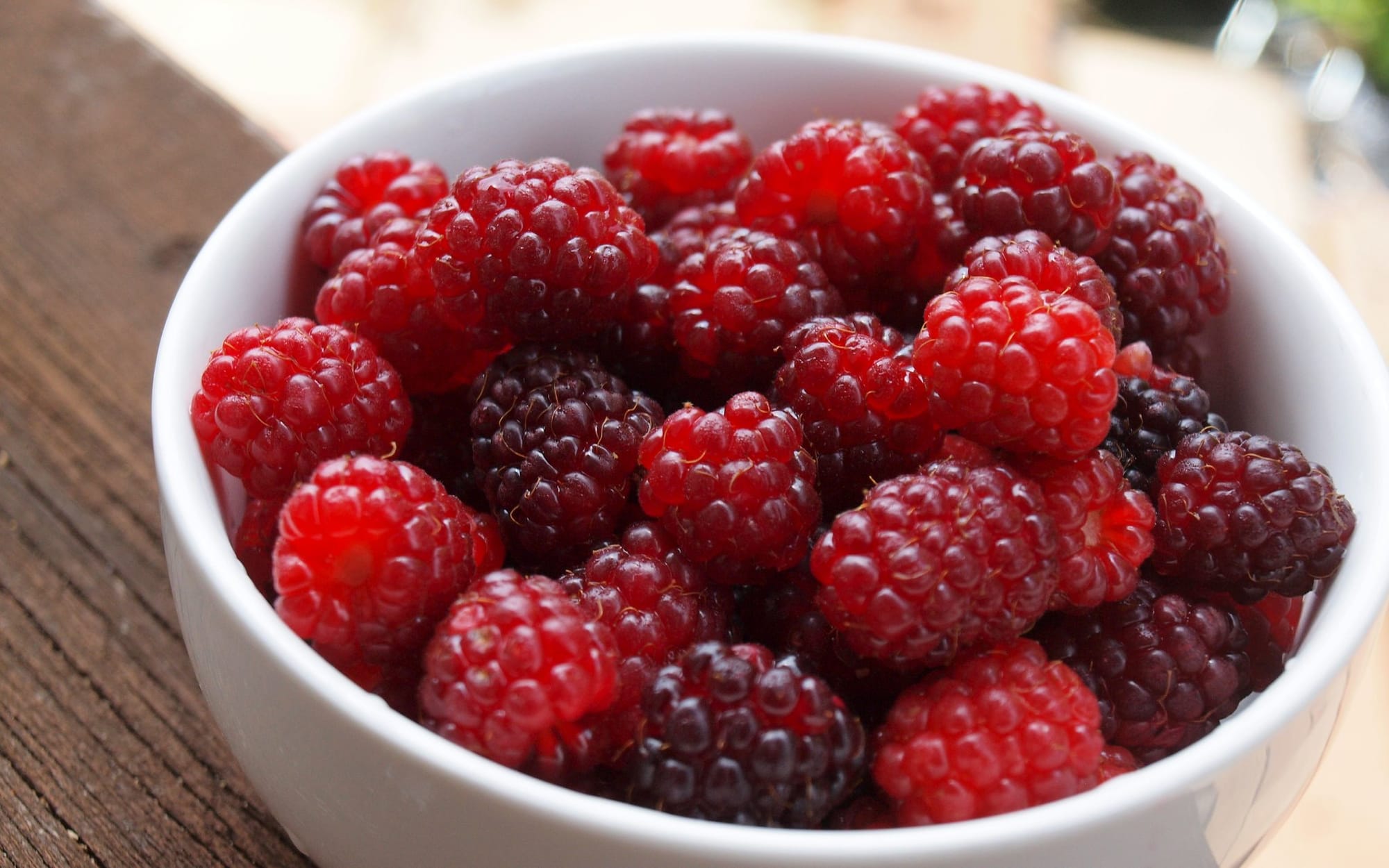
The hybrid berry that is safe for some pets — and a potential hazard for others.
Boysenberries are turning up in smoothie bowls and pet treat recipes alike. The good news for most pet owners is that these berries are non-toxic and safe to offer in moderation to a range of companion animals, including dogs, birds, rabbits, and tortoises [4, 5, 9, 10]. The less straightforward news is that serving size, preparation, and species all matter enormously. Here is everything you need to know before you share a handful with your furry, feathered, or shelled family member.
"Never offer boysenberry jams, syrups, or processed products to small animals like guinea pigs, hamsters, or gerbils — the added sugars and starches can cause serious and potentially life-threatening digestive harm [2, 7, 12]."
• Boysenberries are non-toxic and safe for dogs, birds, rabbits, and tortoises when offered as occasional treats alongside a balanced primary diet [4, 5, 9, 10].
• For dogs, boysenberries provide vitamin C, fibre, and manganese, along with antioxidants and phytochemicals that help prevent cellular damage [1, 4].
• Boysenberries should make up no more than 10% of a dog's daily diet, and smaller breeds face a particular choking risk from the berries' size [1, 4].
• Raspberries, and by extension boysenberries, contain small naturally occurring amounts of xylitol, which is extremely toxic to dogs in large quantities, so moderation is essential [4, 8, 11].
• Boysenberry jams, syrups, and muesli-style mixes with added sugars must be avoided entirely for hamsters, gerbils, and guinea pigs, as simple sugars and starches can cause serious digestive harm [2, 7, 12].
What Are the Nutritional Benefits of Boysenberries for Pets?
Boysenberries pack a genuinely useful nutritional punch for dogs. They provide vital components including vitamin C, fibre, and manganese, and they also contain phytochemicals and antioxidants that help prevent cellular damage [1, 4]. For a snack that is low in calories, that is quite a lot to offer.
Because boysenberries are closely related to raspberries and blackberries, both of which appear on veterinary safe-fruit lists, dogs can enjoy them as healthy snacks, and they are frequently used as ingredients in canine treats [4]. The same nutritional logic extends to birds, rabbits, and tortoises, all of which can benefit from the variety and enrichment that these berries provide when mixed into a primary diet of hay, pellets, or leafy greens [5, 9, 10].
Health Benefits of Boysenberries — Especially for Senior Dogs
If you have an older dog at home, boysenberries may be worth adding to the rotation. The antioxidants found in berries help reduce the effects of brain ageing, which is particularly meaningful for senior pets [1, 4]. Keeping a dog mentally sharp as they age is one of those areas where small dietary choices can genuinely add up.

Beyond the brain, raspberries and boysenberries by their shared lineage have anti-inflammatory properties that can help protect and support ageing joints [1, 4]. For a senior dog dealing with the aches that come with advancing years, that is a meaningful bonus from what amounts to a tiny, tasty snack.
For birds, rabbits, and tortoises, the nutritional variety that boysenberries provide is the primary benefit. These species can enjoy the nutrients found in raspberries and blackberries when the berries are mixed into a primary diet of hay, pellets, or leafy greens [5, 9, 10].
Potential Risks and Side Effects
Here is where things get a little more nuanced. Boysenberries, like raspberries, contain small naturally occurring amounts of xylitol [4, 8, 11]. While the levels are low, xylitol is extremely toxic to dogs and can cause a life-threatening drop in blood sugar or liver failure if ingested in large quantities [4, 8, 11]. This is not a reason to panic about the occasional berry, but it is a very good reason to keep portions controlled. Notably, cats and ferrets are not considered to be at risk from the xylitol naturally found in berries [11].
 Edvarcl H
For smaller dog breeds, the size of the berry itself presents a separate concern — boysenberries can be a potential choking hazard, and it is necessary to monitor the dog closely while they eat to ensure the fruit does not cause an obstruction [1, 4].
For birds and guinea pigs, the high water content in fresh berries can cause increased urine output or an imbalance of intestinal bacteria [2, 5]. In guinea pigs, this imbalance is particularly dangerous, as it may lead to serious and potentially life-threatening diarrhoea [2, 5]. For dogs and rabbits, signs of a negative reaction to boysenberries include vomiting, diarrhoea, lethargy, and a loss of coordination [8, 9, 11]. In dogs specifically, a reaction to naturally occurring xylitol can progress to tremors or seizures [8, 9, 11]. If you observe any of these signs, contact your veterinarian promptly.
Boysenberries must never be confused with grapes or raisins when it comes to dogs. Grapes and raisins contain tartaric acid and potassium bitartrate, which cause acute sudden kidney failure in dogs [6, 8]. Unlike the safe boysenberry, any ingestion of the Vitis genus, which covers grapes and raisins, is considered a veterinary emergency because the exact toxic dose is unpredictable [6, 8].

How Many Boysenberries Can My Pet Eat? Serving Size Guidelines
For dogs, all treats should make up no more than 10% of their daily diet and should be offered only in moderation [1, 4]. The berries are small, but the choking risk for smaller breeds means portion awareness is doubly important [1, 4].
For rabbits, the limit is more specific. Fruit treats should be limited to 1 to 2 teaspoons per 450g of body weight per day, and these should only be offered as occasional treats alongside their primary diet of hay and leafy greens, in order to prevent excessive sugar intake [9]. As a practical note, 1 to 2 teaspoons per 450g works out to roughly 5ml to 10ml of fruit per 450g of body weight daily.
How to Prepare Boysenberries for Your Pet
Preparation is straightforward but important. For birds, turtles, and tortoises, boysenberries should be thoroughly washed to remove pesticides and then chopped into bite-sized portions [5, 10]. Fresh or frozen berries are preferred over cooked versions, because heat can deplete their nutritional value [5, 10].
The same washing step applies across species as removing pesticide residue before serving is a basic but non-negotiable step. Keeping the berry whole for larger animals and chopped for smaller ones is the safest approach to reduce any physical hazard from size.
What to Avoid When Feeding Boysenberries to Pets
For hamsters, gerbils, and guinea pigs, the form of the boysenberry matters as much as the berry itself. Boysenberry jams, syrups, or muesli-style mixes that contain added sugars and fats should be avoided entirely [2, 7, 12]. Simple sugars and starches are dangerous to the sensitive intestinal tracts of these small animals and can cause loss of appetite or obesity [2, 7, 12].

The rule of thumb is that if it has been processed, sweetened, or combined with other ingredients, it is not appropriate for small pets. Stick to fresh or frozen whole berries, prepared as described above, and you will be on safe ground.
Frequently Asked Questions
Can dogs eat boysenberries?
Yes, dogs can eat boysenberries in moderation. These berries are non-toxic and safe to consume as healthy snacks, and they are frequently used as ingredients in canine treats because they are low in calories and high in nutrients [4]. However, all treats should make up no more than 10% of a dog's daily diet, smaller breeds face a choking risk from the berries' size, and the naturally occurring xylitol in raspberries and related berries means large quantities should always be avoided [1, 4, 8, 11].
Are boysenberries safe for cats and rabbits?
For rabbits, boysenberries are a safe occasional treat that provides dietary variety and enrichment, best offered alongside a primary diet of hay and leafy greens [9]. Fruit treats for rabbits should be limited to 1 to 2 teaspoons per 450g of body weight per day to prevent excessive sugar intake [9]. For cats, the grounded sources reviewed do not provide a direct assessment of boysenberry safety beyond noting that cats are not considered at risk from the xylitol naturally found in berries [11]. Consult your veterinarian for specific guidance on feeding boysenberries to cats.
Are boysenberries safer for dogs than grapes?
Yes, boysenberries and grapes are in entirely different categories when it comes to canine safety. Grapes and raisins contain tartaric acid and potassium bitartrate, which cause acute sudden kidney failure in dogs, and any ingestion is considered a veterinary emergency because the exact toxic dose is unpredictable [6, 8]. Boysenberries, by contrast, are non-toxic and safe for dogs in moderation [4]. The two should never be confused.
How many boysenberries can my pet eat each day?
For dogs, boysenberries should make up no more than 10% of their daily diet [1, 4]. For rabbits, fruit treats should be limited to 1 to 2 teaspoons per 450g of body weight per day, offered as occasional additions to a primary diet of hay and leafy greens [9]. For birds, turtles, and tortoises, boysenberries are best offered as occasional treats rather than a daily staple [5, 10]. Specific serving guidance for other species is not available from the sources reviewed, so consult your vet for tailored advice.
Can birds and tortoises eat boysenberries?
Yes. Boysenberries are safe occasional treats for both birds and tortoises, providing dietary variety and enrichment alongside their primary diets [5, 10]. They should be thoroughly washed to remove pesticides and chopped into bite-sized portions before serving, and fresh or frozen berries are preferred over cooked versions because heat can deplete their nutritional value [5, 10]. Be aware that the high water content in fresh berries can cause increased urine output in birds [5].
Boysenberries are a genuinely pet-friendly fruit for many of the animals in our homes, dogs, birds, rabbits, tortoises, and others can all enjoy them safely when portions are controlled and preparation is done properly [4, 5, 9, 10]. The key watchpoints are the naturally occurring xylitol that makes large quantities risky for dogs [4, 8, 11], the choking risk for small dog breeds [1, 4], and the digestive sensitivity of small animals like guinea pigs, hamsters, and gerbils to sugary processed forms [2, 7, 12].
Stick to fresh or frozen whole berries, wash them thoroughly, chop them for smaller pets, and keep servings modest. As always, your veterinarian is the best person to advise on whether boysenberries are appropriate for your specific pet and their individual health needs.
[1] AKC on berry feeding for dogs, 10% treat rule, antioxidants for senior dogs, choking risk for small dogs
[2] VCA on guinea pig diet, vitamin C requirement, fruit/produce limits
[3] VCA on rodent diets (hamster, rat, mouse, gerbil), treat % limits
[4] AKC comprehensive safe/unsafe fruit and vegetable list for dogs
[5] VCA on fresh produce for pet birds, polyuria from high water content, avocado warning
[6] Cornell Vet on grape/raisin toxicity in dogs and tartaric acid mechanism
[7] University of Florida Vet on guinea pig care, sugar/starch sensitivity
[8] ASPCA Animal Poison Control list of toxic human foods including grapes, raisins, xylitol
[9] Brookville Veterinary Hospital on rabbit safe foods, 1–2 tsp per 5 lb body weight fruit limit
[10] Safari Vet (Dr Steven Garner DVM) on tortoise and box turtle nutrition, raspberries/blackberries listed as safe
[11] VCA on xylitol poisoning in dogs, natural xylitol in berries, cats/ferrets not at risk
[12] PDSA on gerbil diet, fruit and vegetable portions, healthy treats
Note: Some of the sources cited here are published by international veterinary authorities and may not be directly accessible from all regions. The reference is provided as a record of where the information comes from. For a clear indication of our editorial policy, please click here.