


Before you toss your dog that leftover bone, here is what veterinary science actually says.
It is one of the most iconic images enshrined in cartoons — a happy dog gnawing on a bone. But veterinary experts and major animal health organisations are united in a sobering message: Bones, whether raw or cooked, pose serious risks to dogs and cats, ranging from broken teeth and choking to life-threatening internal infections [1, 9, 10, 11, 12]. The answer to whether your dog can safely eat a bone is far more complicated than popular culture would have you believe.
"Never feed cooked bones to any pet. Cooking makes bones brittle and prone to dangerous splintering, dramatically increasing the risk of intestinal perforation [7]."
• Cooked bones should never be fed to dogs or cats because they are brittle and prone to splintering, increasing the risk of intestinal obstruction and perforation [7].
• Raw bones are not safe either — they can fracture teeth, pierce soft tissue in the mouth, and cause life-threatening gastrointestinal injuries including peritonitis [2, 9, 10, 11, 12].
• Raw bones and meat can harbour dangerous pathogens including Salmonella, E. coli, Listeria, Clostridium, and Campylobacter, posing health risks to both pets and the humans who live with them [1, 9, 10, 11].
• Safe chew alternatives for dogs should be soft enough to be indented with a fingernail, and dental chews carrying the Veterinary Oral Health Council seal of approval are recommended [2, 10].
• Rabbits, guinea pigs, and tortoises are herbivores for whom bones are entirely inappropriate and potentially dangerous [4, 6, 8].
The Raw Meaty Bone Diet: What the Science Actually Says
The raw meaty bone diet has attracted a devoted following among pet owners seeking a more "natural" approach to feeding. Proponents argue that dogs and cats evolved eating whole prey, bones and all. But leading veterinary institutions tell a different story.
Raw bones and meat can harbour a range of dangerous pathogens, including Salmonella, E. coli, Listeria, Clostridium, and Campylobacter, all of which pose a significant health risk to both the pet and the humans sharing their home [1, 9, 10, 11]. The contamination rates in commercial raw diets are striking: One study found that up to 48 percent of commercial raw meat-based diets were contaminated with Salmonella, while another found that eight out of ten home-prepared raw chicken-based diets tested positive for the bacteria [9].
The World Small Animal Veterinary Association's Global Nutrition Committee has formally stated that raw meat-based diets should not be fed to dogs and cats, and major institutions including the American Animal Hospital Association align with this position [11, 12]. The consensus from veterinary nutrition experts is that there is currently no documented scientific evidence of health benefits from raw diets that outweigh the documented risks [5, 9, 11].

Can Dogs Eat Raw Bones? The Physical Dangers You Need to Know
Even setting aside the pathogen risk, the physical hazards of bones are severe and well-documented. Bones are hard and brittle enough to fracture the large chewing teeth of dogs, and razor-sharp bone shards can pierce a dog's tongue, cheek, or the soft palate on the roof of the mouth [2, 10].
Once swallowed, the risks escalate. Bone fragments can cause obstruction or perforation of any part of the digestive tract, including the oesophagus and small intestine [1, 9, 10, 11, 12]. In the most serious cases, sharp bone fragments can completely penetrate the walls of the stomach or intestines, allowing contents to leak into the abdomen and causing peritonitis, an abdominal infection that can be fatal even with aggressive veterinary treatment [10].
Choking is another primary emergency. Bone pieces can lodge in the oesophagus or windpipe, requiring immediate intervention [10]. Bone fragments that make it further through the digestive tract can scrape the lining of the colon and rectum, causing painful constipation that may require an enema [10].
 Preventive
Are Cooked Bones Safe for Dogs? No, and Here Is Why
Some pet owners assume that cooking a bone makes it safer. The opposite is true. Cooked bones should never be fed to dogs or cats because the cooking process makes them brittle and prone to splintering [7]. This dramatically increases the likelihood of sharp fragments causing obstruction and perforation of the intestinal tract compared to raw bones [7].
Whether a bone comes from the Sunday roast or a barbecue, it should be considered a hazard and kept well out of reach of your pet.
Can Cats Eat Raw Bones?
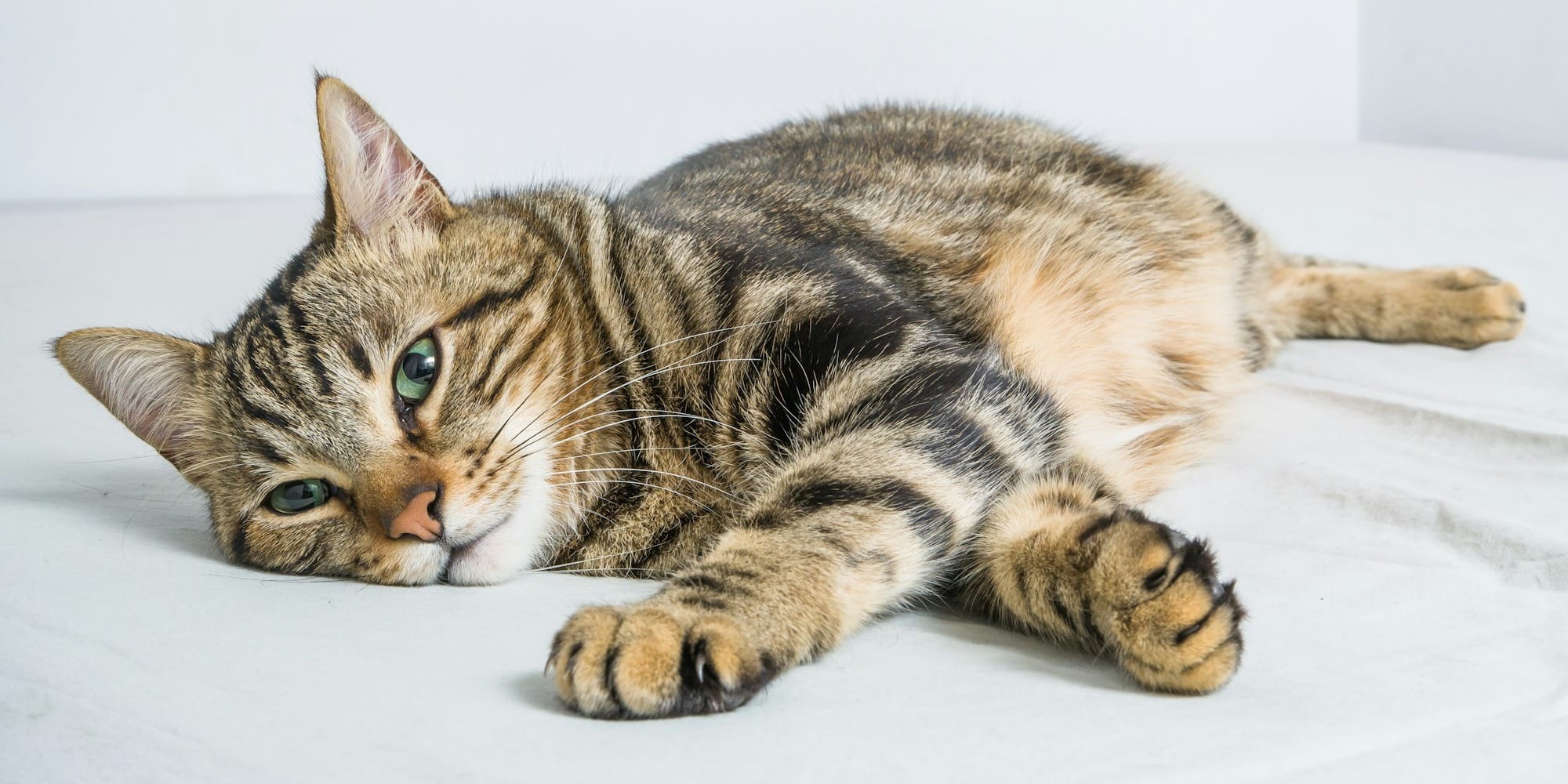
Cats face the same risks as dogs when it comes to bones. Raw meat and bones are not recommended for cats because they are potential vehicles for toxoplasmosis and other infectious diseases [5, 11]. As with dogs, ingesting bones can result in gastrointestinal injury through obstruction or perforation of the digestive tract [1, 9, 11, 12].
Veterinary nutrition experts note that there is currently no documented scientific evidence of health benefits from raw diets, including raw bones, that outweigh these risks for cats [5, 9, 11]. The safest approach is to keep bones entirely away from your cat.
What About Rabbits, Guinea Pigs, and Tortoises?
For small pets and reptiles, the answer is even more straightforward: Bones are completely off the menu for most of them.
Rabbits are obligate herbivores with a complex hind-gut fermentation digestive system designed exclusively to process plant fibre [6]. Feeding inappropriate foods such as bones will disturb the rabbit's normal digestive flora and can cause the rabbit to become sick or possibly die [6]. Similarly, guinea pigs are true herbivores whose digestive systems are simply not physiologically designed to process animal-based foods like bones [4].
Tortoises are herbivorous animals that must consume plant material and high-fibre vegetation to maintain healthy gut physiology, making bones entirely inappropriate for their specialised digestive needs [8]. Aquatic turtles, however, are a different case — more on that in the FAQs below.
Safe Chew Alternatives for Dogs
If your dog loves to chew, there are safer options than bones. Veterinary guidance suggests that safe chew objects should be soft enough to be indented with a fingernail [2, 10]. If a chew is too hard to dent, it is too hard for your dog's teeth.
For dogs that need dental chew products, look for options that carry the Veterinary Oral Health Council seal of approval [2, 10]. When in doubt, consult your veterinarian, who can recommend the best chew options for your dog's size, age, and chewing style.
What to Avoid
The two clearest rules from veterinary experts are to 1) never feed cooked bones to any pet, because the cooking process makes them prone to dangerous splintering [7]; and 2) do not offer raw bones to dogs, cats, rabbits, guinea pigs, or tortoises, due to the combined risks of physical injury and pathogen contamination [1, 4, 6, 7, 8, 9, 10, 11].
If you are feeding aquatic turtles, feeder fish containing bones can serve as a calcium source, but they should be offered only infrequently due to the risk of parasites and bacterial infection [3].
Frequently Asked Questions
Can dogs eat bones safely?
The short answer is no. Bones pose serious risks to dogs including fractured teeth, mouth lacerations, choking, gastrointestinal obstruction, intestinal perforation, peritonitis, and exposure to pathogens such as Salmonella, E. coli, and Listeria [1, 2, 9, 10, 11, 12]. Major veterinary organisations do not recommend feeding bones to dogs. Safe chew alternatives should be soft enough to be indented with a fingernail, and dental chews with the Veterinary Oral Health Council seal are a recommended option [2, 10].
Are cooked bones safe for dogs?
No. Cooked bones should never be fed to dogs or cats. The cooking process makes bones brittle and prone to splintering, which increases the risk of intestinal obstruction and perforation [7]. Cooked bones from any animal should be treated as a hazard and disposed of safely.
Can cats eat raw bones?
Veterinary experts do not recommend raw bones for cats. Raw bones can carry pathogens including toxoplasmosis and other infectious diseases, and pose the same gastrointestinal risks as they do in dogs, including obstruction and perforation of the digestive tract [1, 5, 9, 11, 12]. There is currently no documented scientific evidence of health benefits from raw diets for cats that outweigh these risks [5, 9, 11].
My dog ate a bone. What should I do?
Monitor your dog closely and contact your veterinarian immediately. Key warning signs requiring emergency care include choking, signs of pain or distress, difficulty swallowing, vomiting, bloody stools, or signs of constipation [10]. Sharp bone fragments can cause life-threatening peritonitis if they perforate the stomach or intestines, and this can be fatal even with aggressive treatment [10]. Do not wait to seek veterinary advice.
What are the risks of a raw meaty bone diet for pets?
Raw meaty bone diets carry significant risks for dogs and cats, including fractured teeth, gastrointestinal obstruction and perforation, and contamination with pathogens such as Salmonella, E. coli, Listeria, Clostridium, and Campylobacter [1, 9, 10, 11, 12]. These pathogens can infect both the pet and the humans in their household [1, 9, 11]. One study found that up to 48 percent of commercial raw meat-based diets were contaminated with Salmonella [9]. The World Small Animal Veterinary Association has formally recommended that raw meat-based diets not be fed to dogs and cats [11].
The evidence from veterinary nutrition experts is consistent. Bones are not the harmless treat popular culture has long portrayed them to be. Whether raw or cooked, bones carry real risks of physical injury and pathogen exposure for dogs and cats, and are entirely inappropriate for herbivorous pets like rabbits, guinea pigs, and tortoises. If your dog loves to chew, safer alternatives exist that satisfy that instinct without the danger. As always, your veterinarian is the best person to guide you on what is appropriate for your individual pet.
[1] NC State CVM on raw diet risks for dogs and cats, including bone fractures and GI injury
[2] Cornell Vet (Dr Brian Collins) response to FDA bone-treat warning; the "knee cap rule" for safe chews
[3] VCA on feeding aquatic turtles, including bones from whole prey fish as a calcium source
[4] VCA on guinea pigs as true herbivores with vitamin C and hay-based dietary needs
[5] Cornell Feline Health Center on cat nutrition, raw food risks
[6] VCA on rabbits as hind-gut fermenter herbivores and risks of inappropriate foods
[7] VCA on cooked bones being prone to splintering; never feed cooked bones to pets
[8] MSD Vet Manual on tortoises as obligate herbivores requiring plant fibre
[9] Tufts Cummings (Freeman et al) on RMBD risks: fractured teeth, GI obstruction/perforation, pathogens
[10] VCA's dedicated dog-bones article, FDA-aligned: broken teeth, peritonitis, choking, intestinal blockage
[11] WSAVA Global Nutrition Committee statement that RMBDs not be fed to dogs and cats
[12] AAHA Nutritional Assessment Guidelines for Dogs and Cats: raw diets with bones cause dental damage and GI obstruction/perforation
Note: Some of the sources cited here are published by international veterinary authorities and may not be directly accessible from all regions. The reference is provided as a record of where the information comes from. For a clear indication of our editorial policy, please click here.