


From a harmless crust to a veterinary emergency — the truth about bread and your pets.
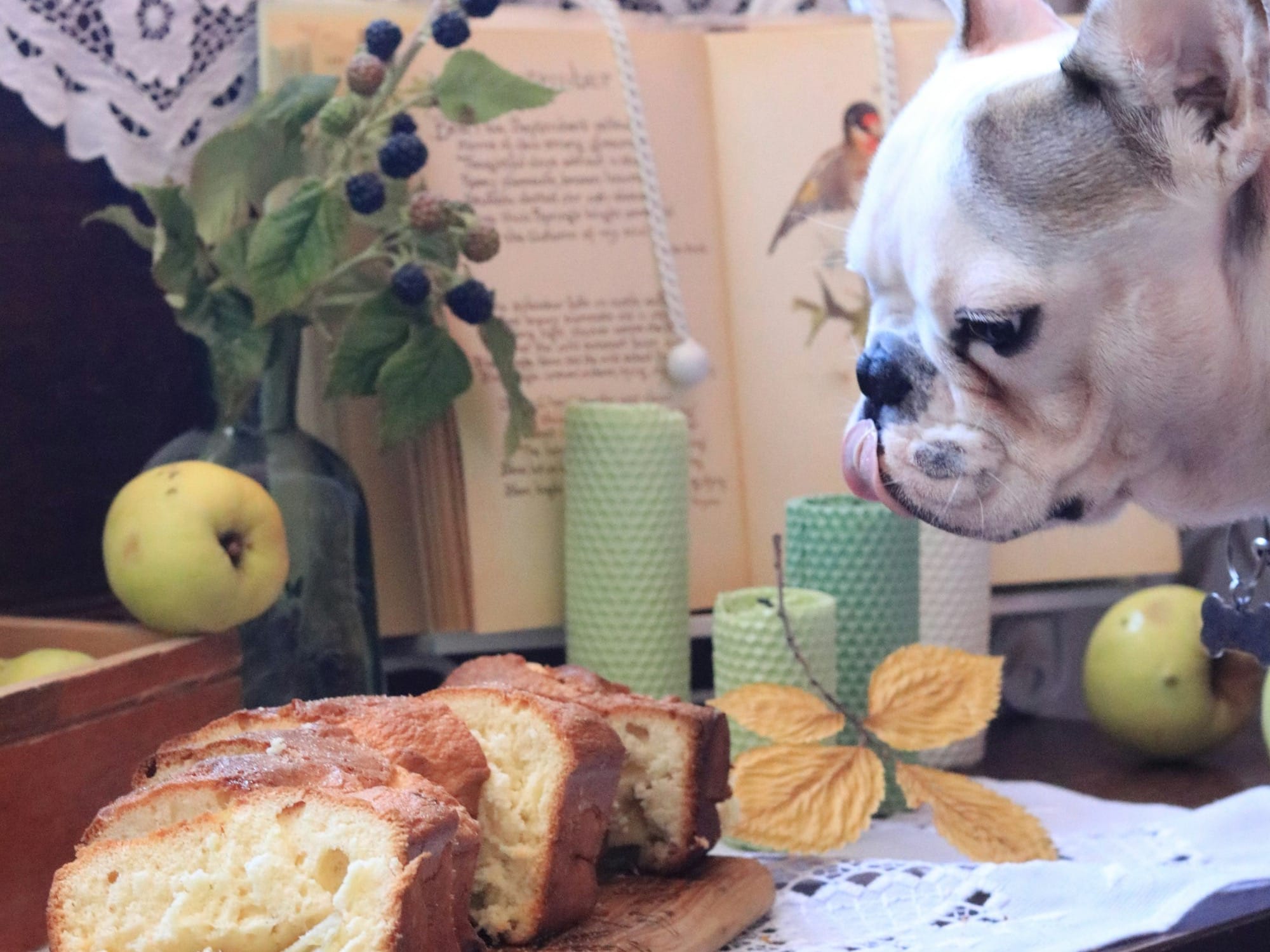
So your dog is giving you those eyes while you make toast. Can dogs eat bread? The short answer is: Plain baked bread in small amounts is generally considered safe for dogs and cats, provided they have no allergies [3, 6]. But before you hand over that slice, there is a lot more to the story. Raw dough is a genuine emergency, certain bread ingredients can be lethal, and for pets like rabbits, goldfish, and guinea pigs, bread is a food best kept well out of reach.
"Raw yeast dough is a veterinary emergency. If your dog or cat swallows raw dough, do not wait for symptoms, just contact your vet immediately. The yeast fermentation process begins inside the stomach within minutes and can be fatal without prompt treatment [1, 2, 3]."
• Plain white and wheat bread is generally safe for dogs and cats as an occasional treat in small amounts, but it offers no nutritional value beyond what a complete pet diet already provides [3, 6].
• Raw yeast bread dough is a veterinary emergency. It expands inside the stomach and produces ethanol through fermentation, which can be fatal to dogs and cats [1, 2, 3].
• Common bread ingredients including raisins, garlic, onions, and the artificial sweetener xylitol are chemically toxic to dogs and must be avoided entirely [1, 6].
• Bread is dangerous or entirely unsuitable for rabbits, goldfish, guinea pigs, birds, turtles, and small mammals like hamsters and gerbils [7, 8, 9, 10, 11, 12].
• Mouldy bread poses an additional risk to birds and small mammals due to mycotoxins, and any uneaten fresh food should be removed before it can spoil [9, 11].
Is Bread Safe for Cats and Dogs? The Nutritional Reality
Plain white and wheat bread are generally safe for dogs and cats to eat in moderation as an occasional treat, provided they have no allergies [3, 6]. It does not typically cause stomach upset in healthy animals [3, 6]. That said, bread is essentially a filler food since it contains no nutrients that are not already supplied by a complete and balanced pet diet [3, 6].
For dogs specifically, bread is high in calories and has a high glycaemic index, which means even small amounts add up quickly [6]. It should be treated as a treat that does not push a dog beyond its daily caloric needs, as overconsumption can contribute to obesity [6]. Think of it the way you might think of an empty-calorie snack for yourself, fine occasionally, but not something to build a meal around.
The same logic applies to small mammals. For rats, mice, hamsters, and gerbils, human foods like bread should not make up more than 20 percent of total daily diet [11]. If these animals are given free choice of treats, they may stop eating their nutritionally balanced pellets and develop conditions such as obesity [11].
Raw Bread Dough and Yeast Fermentation: A Toxic Danger for Dogs and Cats
This is where bread stops being a minor dietary footnote and becomes a genuine emergency. When dogs or cats swallow raw yeast dough, the warm environment of the stomach causes the dough to continue rising [1, 2, 3]. This expansion leads to severe gastric distension, which can compromise blood flow to the stomach wall, restrict breathing, and in rare but serious cases, result in life-threatening gastric dilatation and volvulus or even gastric rupture [1, 2, 3].
The physical expansion is only part of the danger. As the yeast ferments inside the stomach, it produces carbon dioxide and ethanol [1, 2, 3]. That ethanol is rapidly absorbed into the bloodstream, leading to ethanol toxicosis, metabolic acidosis, and central nervous system depression, all of which can be fatal without prompt veterinary treatment [1, 2, 3].
 Preventive
The early warning signs to watch for include abdominal distention, unproductive retching, and lethargy [1, 2, 3]. As ethanol toxicity progresses, an affected animal may develop an unsteady, drunken gait, begin vocalising, become hypothermic, or in severe cases, experience seizures or fall into a coma [1, 2, 3]. If you suspect your pet has eaten raw dough, treat it as an emergency and contact your vet immediately.
One reassuring note: If a dog or cat happens to get into a packet of dry yeast before it is mixed with other ingredients, there is no need to panic [3]. Yeast requires a source of sugar to ferment into alcohol and carbon dioxide, so dry yeast straight from the packet is not dangerous in the same way [3].
Toxic Bread Ingredients: What to Avoid for Dogs
Even when the bread itself is plain, the ingredients mixed into it can be extremely dangerous. Raisins and grapes which is common in fruit loaves and some artisan breads are highly toxic to dogs and can cause kidney failure even in small amounts [1, 6].
Garlic and onions, found in flavoured breads and savoury loaves, cause gastrointestinal distress in dogs and should also be avoided [1, 6]. The artificial sweetener xylitol is another serious concern as it is life-threatening to dogs and may appear in certain commercial breads or in peanut butter used in sandwiches [1, 6].
Edvarcl H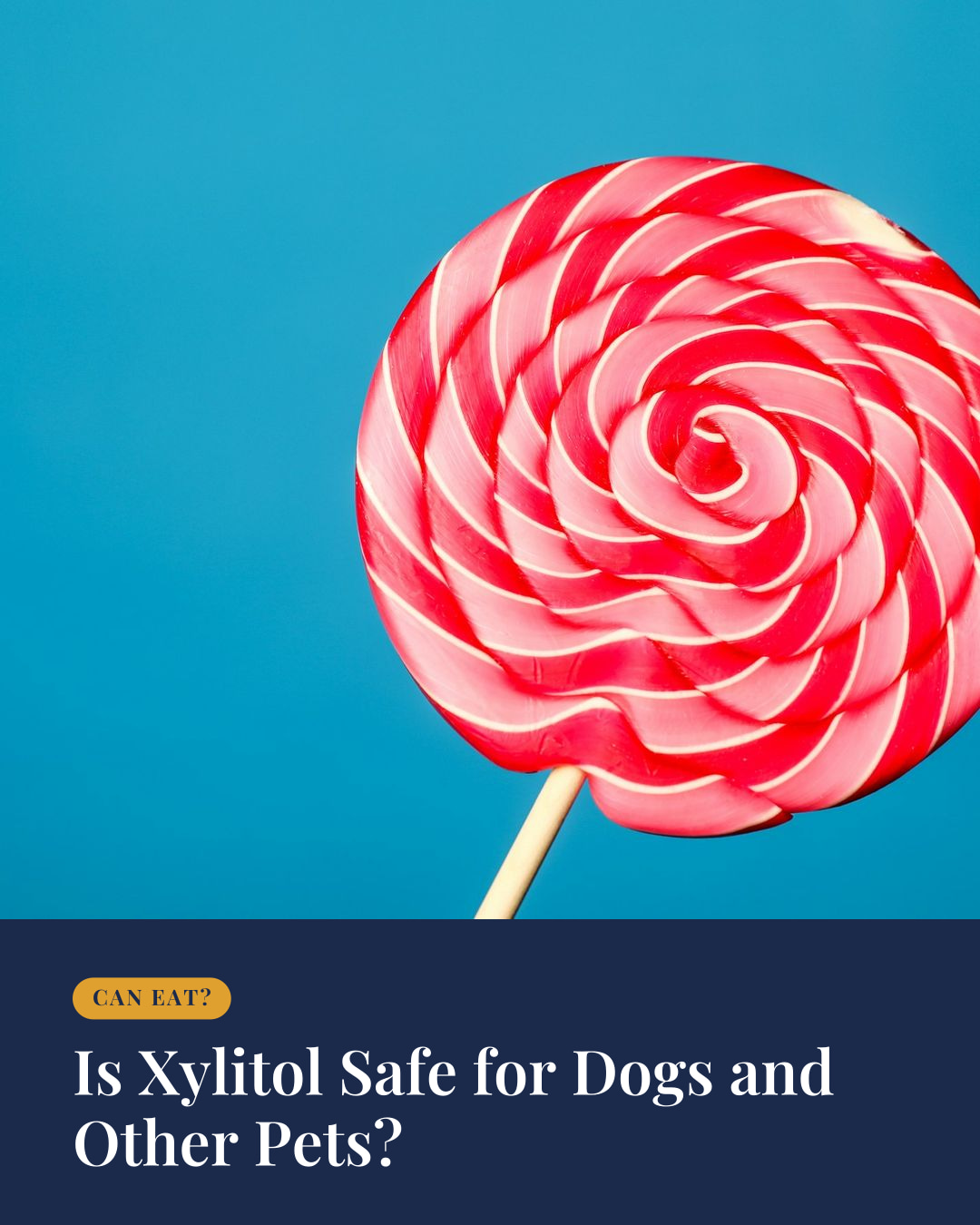
Nuts and seeds present their own set of risks. Macadamia nuts are toxic to dogs, while other nuts and seeds can cause stomach irritation or trigger pancreatitis due to their high fat content [6]. Owners who feed their dogs peanut butter sandwiches should also check the peanut butter label for xylitol [6]. The safest rule: Always read the ingredient list before sharing any bread product with your dog.
Serving Size Guidelines for Dogs
If you do choose to give your dog bread as an occasional treat, portion size matters. Bread should only be offered in very small pieces at a time [6]. Given its high calorie count and high glycaemic index, it must be treated as a treat that does not exceed the dog's daily caloric needs — overfeeding can contribute to obesity over time [6].
The key word throughout is moderation. Bread is not a food that provides any meaningful nutritional benefit to dogs, so there is no reason to offer it regularly or in generous amounts [3, 6]. When in doubt, consult your veterinarian about what treat portions are appropriate for your dog's size, age, and health status.
Scav
Preparation Methods: Baked Is Fine, Raw Is Not
The single most important preparation distinction is simple: Baked bread versus raw dough. Plain baked bread does not carry the fermentation risks that raw dough does, and is generally considered safe for dogs and cats as an occasional treat [3, 6]. The baking process neutralises the active yeast, so the ethanol-production danger is not a factor with a fully cooked slice.
Raw yeast dough, by contrast, should never be accessible to pets at any stage of the baking process [1, 2, 3]. This includes dough that is left to prove on a kitchen counter for even a brief window of opportunity is enough for a determined dog or cat. Keep dough covered and stored well out of reach.
For birds and small mammals, freshness is also a preparation consideration. Any fresh food given to these animals should be removed before it has a chance to spoil or grow mould, as mouldy bread is a source of mycotoxins that can cause liver disorders and toxicities in avian species and small mammals [9, 11].

Pets That Should Never Eat Bread
For many companion animals, bread is not just unhealthy, it is genuinely harmful. Here is a species-by-species breakdown based on veterinary guidance.
Rabbits should never be given bread. It is listed as a hazardous food that can contribute to fatal enterotoxaemia, a toxic overgrowth of harmful bacteria in the rabbit's intestinal tract, triggered by excessive sugar intake [10]. This is a serious condition, and the risk is not worth any perceived treat value.
Goldfish should not be fed bread at all. Bread expands in the stomach of a goldfish, which can lead to constipation or fatal swim bladder disease [7]. Given how delicate goldfish digestive systems are, even a small piece poses a real risk.
For guinea pigs, bread is a processed grain product that does not meet their requirement for a high-fibre, grass-hay-based diet [11, 12]. Feeding bread or biscuits to guinea pigs can interfere with their complex digestive needs and dental wear patterns [11, 12].
Turtles and tortoises lack the enzymes necessary to break down processed foods like bread, and regularly feeding it to them can result in malnutrition and digestive health problems [8]. Breads containing dairy products are particularly harmful because turtles also lack the enzymes to break down lactose, which can lead to significant digestive distress [8].
For birds, frequent consumption of processed foods like bread can lead to the development of fatty liver disease, a serious condition that may eventually progress to cirrhosis or fibrosis of the liver [9]. Early signs of liver disorders in birds can be vague, including fluffed feathers, listlessness, and anorexia, while advanced cases may involve yellow or green-stained urates, increased thirst, and a swollen abdomen [9]. Bread offers no meaningful nutrition for birds and is best excluded from their diet entirely.
Frequently Asked Questions
Can dogs eat bread safely?
Plain white and wheat bread is generally safe for dogs in moderation as an occasional treat, provided they have no allergies [3, 6]. However, bread offers no nutritional value beyond what a balanced dog diet already provides, and its high calorie content means overconsumption can lead to obesity [6]. Always check ingredients carefully, as raisins, garlic, onions, xylitol, and macadamia nuts — all found in various bread types — are toxic to dogs [1, 6].
Is bread safe for cats?
Plain baked bread is generally considered safe for cats in moderation as an occasional treat, assuming no allergies are present [3, 6]. Like dogs, cats gain no nutritional benefit from bread that is not already provided by a complete feline diet [3, 6]. Raw yeast dough, however, is a veterinary emergency for cats — it expands in the stomach and produces ethanol through fermentation, leading to potentially fatal ethanol toxicosis [1, 2, 3].
Why is raw bread dough toxic to dogs and what does yeast fermentation do?
When raw yeast dough is swallowed, the warm environment of a dog's stomach causes it to keep rising, leading to severe gastric distension that can compromise blood flow to the stomach wall and restrict breathing [1, 2, 3]. Simultaneously, the fermenting yeast produces ethanol, which is rapidly absorbed into the bloodstream, causing ethanol toxicosis, metabolic acidosis, and central nervous system depression, all of which can be fatal without treatment [1, 2, 3]. Signs include abdominal distention, unproductive retching, lethargy, a drunken gait, and in severe cases, seizures or coma [1, 2, 3].
Can rabbits eat bread, and what is enterotoxaemia?
Rabbits should not eat bread under any circumstances. Bread is listed as a hazardous food for rabbits because it can contribute to fatal enterotoxaemia — a toxic overgrowth of harmful bacteria in the rabbit's intestinal tract that is triggered by excessive sugar intake [10]. This condition can be fatal, and bread offers no dietary benefit to rabbits that would justify the risk.
Is bread bad for goldfish and can it cause swim bladder disease?
Yes, bread is bad for goldfish and should never be fed to them, even as a treat. Bread expands in the stomach of a goldfish, which can lead to constipation or fatal swim bladder disease [7]. There is no safe amount of bread for goldfish.
Can birds eat bread?
Bread should not be a regular part of any pet bird's diet. Frequent consumption of processed foods like bread can cause fatty liver disease in parrots and other avian species, a serious condition that may progress to cirrhosis or fibrosis of the liver [9]. Mouldy bread poses an additional risk, as it is a source of mycotoxins specifically linked to liver disorders and toxicities in birds [9]. Any uneaten fresh food, including bread, should be removed from a bird's enclosure before it can spoil [9, 11].
Bread is one of those foods that sits in a complicated middle ground for pets. For dogs and cats, a plain baked slice is unlikely to cause harm as an occasional treat — but it brings nothing of nutritional value to the table, and the risks attached to certain ingredients or to raw dough can be severe [1, 2, 3, 6]. For rabbits, goldfish, birds, guinea pigs, and turtles, bread is a food to avoid entirely, with real documented risks tied to their unique digestive biology [7, 8, 9, 10, 12].
If you are ever unsure about what is safe for your specific pet, your veterinarian is always the best first call. When it comes to sharing human food with animals, knowing what is on the label — and what is not — could make all the difference.
[1] Pet Poison Helpline veterinary blog on bread dough poisoning, clinical signs and treatment in dogs and cats
[2] Merck Veterinary Manual professional entry on bread dough toxicosis in animals (mechanism, treatment)
[3] ASPCA Pro on rising bread-related pet poisonings, baked vs unbaked bread, dogs and cats
[4] PetMD bird-nutrition article (Sandra Mitchell DVM, DABVP) on why bread is a poor diet item for pet birds
[5] PetMD cat-nutrition article (Sandra Mitchell DVM, DABVP) on plain bread, garlic bread, xylitol risks, raw dough emergencies
[6] AKC article citing Merck Veterinary Manual on plain bread, bread dough, raisin bread, calorie load in dogs
[7] PangoVet vet-reviewed article on bread expansion, swim bladder disease and constipation risk in goldfish
[8] PangoVet vet-reviewed article on lack of digestive enzymes for bread in turtles and tortoises, dairy/lactose issue
[9] VCA Animal Hospitals on processed foods (bread, pasta, crackers) and fatty liver disease in parrots, mouldy bread/mycotoxin risk
[10] San Diego House Rabbit Society list of dangerous foods including bread, enterotoxaemia risk in rabbits
[11] Veterinary Partner (VIN) nutrition guide for small mammals — hamsters, gerbils, rats, mice, ferrets, guinea pigs
[12] RSPCA Knowledgebase on guinea pig feeding, explicit "do not feed bread/biscuits" list with academic references
Note: Some of the sources cited here are published by international veterinary authorities and may not be directly accessible from all regions. The reference is provided as a record of where the information comes from. For a clear indication of our editorial policy, please click here.