

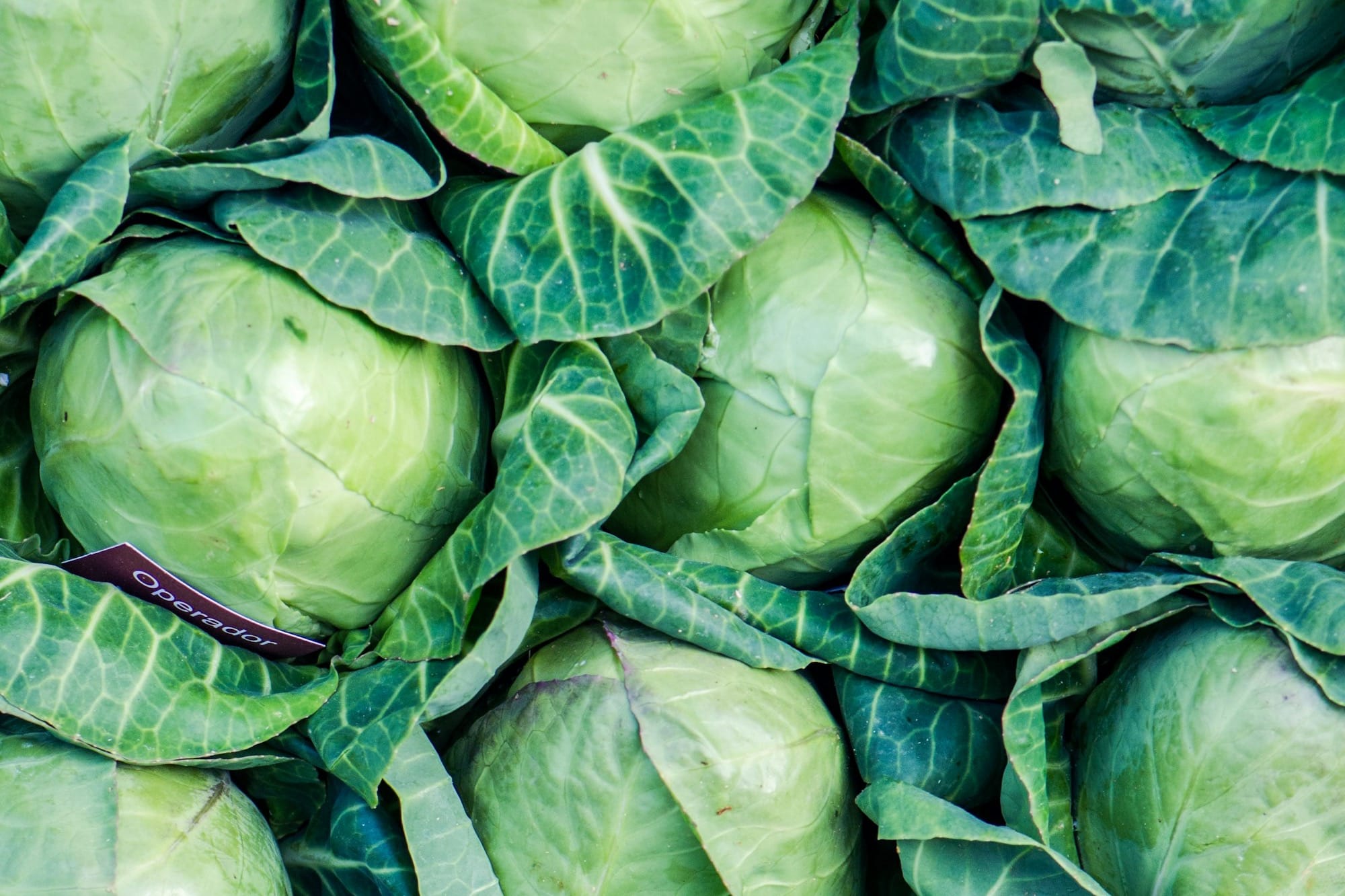
From rabbits to reptiles, here is what the science actually says about feeding cabbage to your pet.
Cabbage is a staple in many Singapore households, and it is natural to wonder whether your pets can share in the bounty. The short answer is: It depends on the animal. Plain green, red, Savoy, and Napa cabbage are non-toxic and safe for dogs when fed in moderation as a low-calorie, high-fibre treat [3]. Cats can also eat it in small amounts, and it offers some genuine nutritional upsides [2]. Rabbits, guinea pigs, hamsters, birds, gerbils, and even tortoises and box turtles can all eat cabbage — but every species comes with its own serving rules, preparation requirements, and risks worth knowing before you start shredding.
"Never feed pets skunk cabbage (Symplocarpus foetidus) — it is highly toxic and causes oral irritation, drooling, and difficulty swallowing. Always confirm you are using true Brassica cabbage from a trusted grocery source [8]."
• Cabbage is non-toxic for dogs, cats, rabbits, guinea pigs, hamsters, birds, gerbils, and tortoises, but portion size and preparation matter enormously for every species [2, 3, 6, 9, 12].
• Gas is the most common side effect across species: dogs, rabbits, and guinea pigs can all experience uncomfortable bloating after eating cabbage, and dog breeds prone to bloat face a particularly serious risk [3, 5, 9, 13].
• Cabbage contains goitrogens, compounds that can interfere with thyroid function in cats, tortoises, and box turtles when fed in large quantities over time [2, 7, 11].
• Skunk cabbage (Symplocarpus foetidus) is a completely different plant and is highly toxic to dogs and cats; always make sure you are buying true Brassica cabbage [8].
• For rabbits, cabbage should be introduced one variety at a time with a 24-hour observation window to check for soft stools or gas before adding more to the diet [1, 5].
Nutritional Profile: What Is Actually in Cabbage for Pets
Cabbage is not a nutritional powerhouse in the way that dedicated pet food is, but it does bring some worthwhile contributions to the bowl. For cats specifically, cabbage provides essential vitamin K for blood clotting, vitamin B6 for the nervous system, and antioxidants like sulforaphane that help reduce inflammation [2]. These are real benefits, even if cats are obligate carnivores whose primary nutritional needs must be met by meat.
For dogs, cabbage functions primarily as a low-calorie, high-fibre treat rather than a meaningful source of specific nutrients [3]. For tortoises and box turtles, the outer green leaves of common cabbage and Chinese cabbage are recognised as a legitimate component of their varied salad diet [11]. Across all species, cabbage is best understood as a supplementary food; useful in moderation, but not a replacement for species-appropriate staple nutrition.
Health Benefits of Cabbage for Different Pets
For cats, the case for the occasional cabbage treat is reasonably solid. The vegetable supplies vitamin K, which supports healthy blood clotting, as well as vitamin B6, which plays a role in nervous system function [2]. The antioxidant sulforaphane, also found in cabbage, has been linked to reduced inflammation [2]. These benefits are real, though they need to be weighed against the thiocyanate risk discussed in the next section.
For dogs, cabbage's main appeal is its profile as a low-calorie, high-fibre snack [3]. In a country where pet obesity is an increasing concern, a vegetable treat that satisfies without piling on calories has clear practical value.
For tortoises and box turtles, including cabbage as part of a varied salad supports the dietary diversity that these reptiles need [11]. The vegetable portion of a tortoise's diet should make up around 90 percent of what they eat, and cabbage outer leaves are an accepted part of that mix [11]. For rabbits, leafy greens including cabbage form a meaningful part of a balanced daily diet alongside unlimited hay [1, 9].

Potential Risks and Side Effects: Cabbage Goitrogens, Pets, and Thyroid Health
The biggest chemical concern with cabbage across multiple species is its goitrogen content. Goitrogens are compounds that can interfere with thyroid activity, and they are present in all Brassica vegetables including cabbage. For cats, the relevant compound is thiocyanate, which can suppress the thyroid gland and potentially lead to hypothyroidism if fed in large quantities over a long period [2]. For tortoises and box turtles, the same goitrogenic properties mean that cabbage should never become a dietary staple, as excess intake can cause thyroid problems and potentially damage the liver and kidneys [7, 11]. For rabbits, cabbage does contain goitrogens that could theoretically cause thyroid enlargement, but studies indicate a rabbit would have to eat huge quantities exclusively for several weeks to see any blood abnormalities [1], so moderate feeding is considered safe.
Gas is the other major risk, and it affects more species than most owners expect. Dogs can produce a large amount of gas after eating cabbage, which is uncomfortable for the animal and especially dangerous for breeds that are already prone to life-threatening bloat [3]. Rabbits are also susceptible to gas-related discomfort from brassicas, which is why careful introduction and monitoring is so important [5, 9]. Guinea pigs face the same issue: feeding large quantities of cabbage can lead to painful gas and stomach upset [10, 13]. Always start with small amounts and watch your pet closely.
For guinea pigs, there is an additional concern beyond gas. Cabbage has a high calcium content that can cause health issues if offered too frequently, which is why it is recommended only as an occasional treat rather than a daily green [10, 13].
Serving Size Guidelines by Species
Getting the serving size right is just as important as knowing whether a food is safe at all. For rabbits, the standard guideline is to provide one cup of packed leafy greens, which can include cabbage, for every 900g of body weight daily [1, 9]. For context, that is a generous daily allowance spread across a varied mix of greens, not a single-vegetable serving.
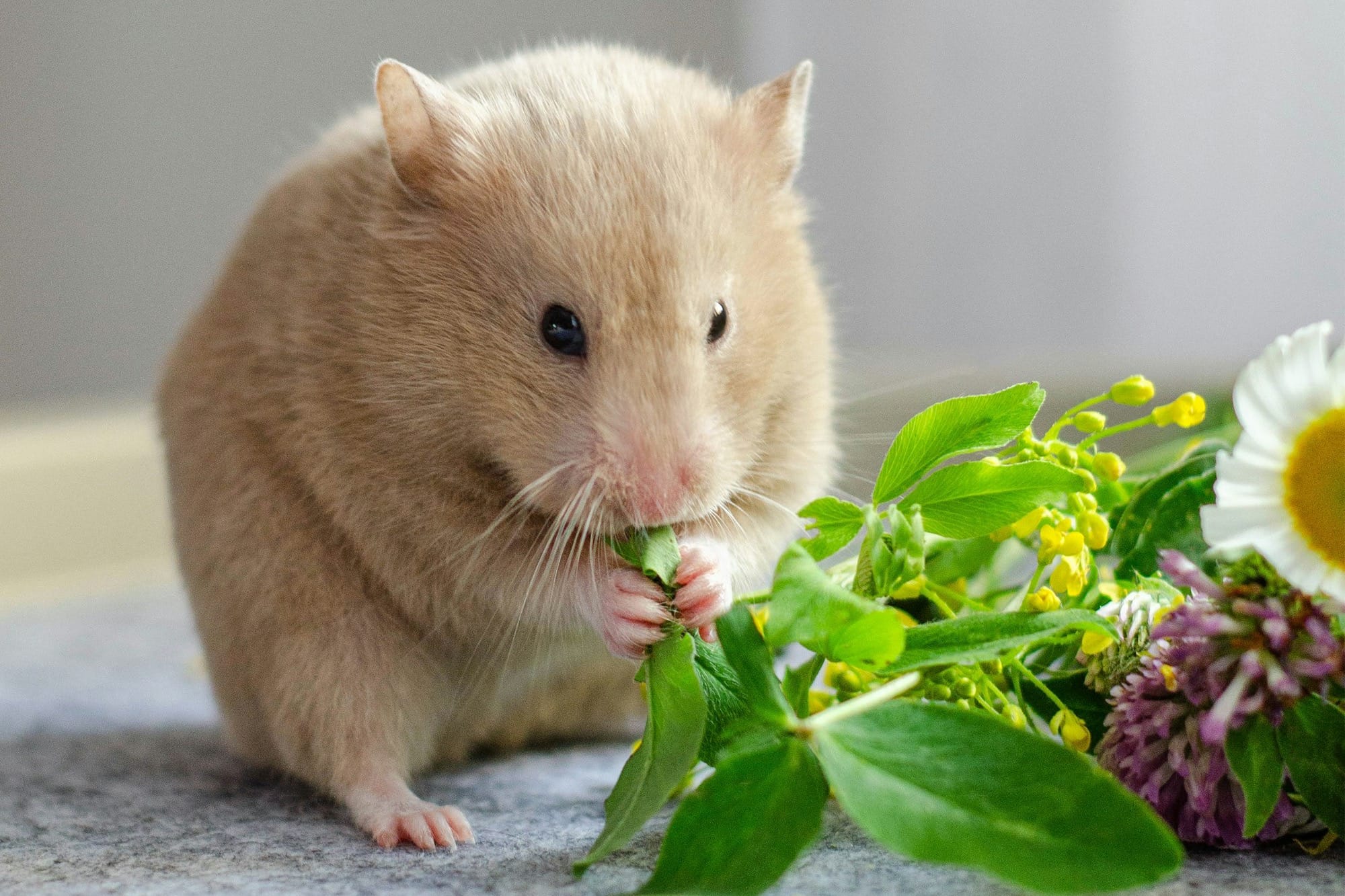
For cats and dogs, the grounded research does not specify a precise gram-per-kilogram figure, but both sources emphasise moderation and positioning cabbage as an occasional treat rather than a regular dietary component [2, 3]. For hamsters, fresh vegetables including cabbage should be limited to approximately one to two teaspoons per day [6]. For birds, fresh vegetables including cabbage should comprise no more than 20 to 40 percent of their total daily diet [4]. For guinea pigs, cabbage should be offered only in small amounts a few times a week [10, 13]. For gerbils, small amounts of fresh vegetables such as cabbage can be included in a balanced diet alongside commercial pellets and protein-packed treats [12].
Preparation Methods: How to Serve Cabbage Safely
How you prepare cabbage matters almost as much as how much you serve. For dogs, the tough stem and core of the cabbage must be removed before serving, and the remaining leaves should be diced into small pieces to prevent the fibrous vegetable from becoming a choking hazard [3].
For cats, cabbage is best served boiled, steamed, or roasted without any salt or oil, and then finely shredded or pureed to make it easier to digest [2]. Raw cabbage is harder for cats to process, so cooking it down is always the safer option. For birds, cabbage must be washed thoroughly to remove pesticides and chemicals before serving, and then cut into pieces that are appropriate for the specific size of the bird [4]. For tortoises and box turtles, only the outer green leaves are recommended for inclusion in their daily food mix [11].
For rabbits, the introduction process itself is a form of preparation: Bring in one variety of cabbage at a time and wait 24 hours to check for signs of soft stools or gas before adding more to the diet [1, 5]. This slow, watchful approach is the safest way to find out how your individual rabbit responds.
What to Avoid When Feeding Cabbage to Pets
Several forms of cabbage that humans enjoy are genuinely hazardous for pets. For cats, coleslaw is a particular danger: It contains raw cabbage that is difficult to digest and typically includes toxic or unhealthy additives such as mayonnaise, vinegar, and sugar [2]. The same logic applies to any cabbage that has been seasoned, pickled, fermented (such as kimchi or sauerkraut), or prepared with oils, these are off the menu for all pets.

The most critical warning, however, concerns a plant that is not cabbage at all. Skunk cabbage (Symplocarpus foetidus) is a completely different species that can be mistaken for edible Brassica cabbage. It is highly toxic to dogs and cats, causing oral irritation, drooling, and difficulty swallowing due to insoluble calcium oxalates [8]. Always source your pet's cabbage from a trusted grocer and make sure you are working with true Brassica cabbage before offering it to your animal.
Frequently Asked Questions
Can dogs eat cabbage?
Yes, dogs can eat plain green, red, Savoy, and Napa cabbage — it is non-toxic and safe when fed in moderation as a low-calorie, high-fibre treat [3]. That said, cabbage produces a large amount of gas, which can be uncomfortable and is potentially dangerous for dog breeds that are already prone to bloat [3]. Always remove the tough stem and core, dice the leaves into small pieces to prevent choking, and monitor your dog for signs of gastrointestinal trouble after the first serving [3].
Can rabbits eat cabbage?
Yes, rabbits can eat cabbage. The standard guideline is to provide one cup of packed leafy greens — which can include cabbage — for every 900g of body weight daily [1, 9]. Introduce cabbage one variety at a time and wait 24 hours to check for soft stools or gas before adding more [1, 5]. Cabbage does contain goitrogens, but a rabbit would have to eat huge quantities exclusively for several weeks to experience any measurable thyroid effect [1].
Is cabbage safe for guinea pigs?
Cabbage is safe for guinea pigs in small amounts offered a few times a week, but it should not become a daily staple [10, 13]. Its high calcium content can cause health issues with regular feeding, and large quantities can lead to painful gas and stomach upset [10, 13]. Treat it as an occasional addition to a varied diet rather than a go-to green.
What are the risks of cabbage goitrogens for pets and their thyroid health?
Cabbage contains goitrogens — compounds that can interfere with thyroid function. In cats, the specific compound thiocyanate can suppress the thyroid gland and potentially lead to hypothyroidism if fed in large quantities over a long period [2]. For tortoises and box turtles, excess cabbage can cause thyroid problems and potentially damage the liver and kidneys [7, 11]. For rabbits, the risk is very low at normal serving sizes — thyroid effects would require exclusively huge quantities fed for several weeks [1]. Keeping cabbage as an occasional, moderate treat across all species is the safest approach.
Can cats eat cabbage?
Cats can eat small amounts of cabbage. It provides vitamin K for blood clotting, vitamin B6 for the nervous system, and antioxidants like sulforaphane that help reduce inflammation [2]. However, cabbage contains thiocyanate, which can suppress the thyroid gland if fed in large quantities over a long period [2]. It should be served boiled, steamed, or roasted without salt or oil, and then finely shredded or pureed [2]. Coleslaw and any seasoned preparations are off-limits [2].
Is skunk cabbage the same as regular cabbage, and is it safe for pets?
No — skunk cabbage (Symplocarpus foetidus) is a completely different plant from edible Brassica cabbage, and it is highly toxic to dogs and cats [8]. Contact with skunk cabbage causes oral irritation, drooling, and difficulty swallowing due to insoluble calcium oxalates [8]. Always confirm that the cabbage you are feeding your pet comes from a trusted grocery source and is a true Brassica variety.
Cabbage is one of those foods that sits in a genuinely useful middle ground for pet owners: widely available, inexpensive, and safe for a surprising range of species when served correctly. Dogs, cats, rabbits, guinea pigs, hamsters, birds, gerbils, tortoises, and box turtles can all eat it, but each comes with its own serving rules, preparation requirements, and risks.
Gas is the most universal concern, goitrogens are worth watching across cats and reptiles in particular, and the toxic look-alike skunk cabbage is a reminder to always double-check what you are buying. When in doubt, start small, observe carefully, and loop in your veterinarian before making any new food a regular part of your pet's diet.
[1] House Rabbit Society safe vegetable list including cabbage, savoy and Napa varieties for rabbits
[2] Wag! vet-reviewed (Dr Linda Simon MVB MRCVS) on cabbage for obligate-carnivore cats, including thiocyanate risk
[3] AKC veterinary nutrition guidance on green, red, savoy and Napa cabbage for dogs, including bloat and gas risk
[4] VCA Animal Hospitals on the role of fresh vegetables in pet bird diets, including proportion and preparation
[5] House Rabbit Society on brassicas, gas, and how leafy greens fit into a rabbit's diet
[6] PDSA UK vet guidance on hamster care, diet portion sizes, and suitable vegetables
[7] The Tortoise Table on cabbage, brassicas, goitrogens, and tortoise feeding
[8] ASPCA Animal Poison Control on toxic skunk cabbage as a look-alike to edible Brassica
[9] Oxbow Animal Health vet team on the best leafy greens for rabbits, including cabbage and gas risk
[10] RSPCA UK guinea pig diet guidance including vegetable selection
[11] Safarivet (Steven Garner DVM, DABVP) on turtle and tortoise nutrition, cabbage outer leaves in the salad mix, and goitrogenic brassicas
[12] PDSA UK gerbil diet including vegetables and feeding portions
[13] PDSA UK guinea pig diet including cabbage and broccoli gas risk
Note: Some of the sources cited here are published by international veterinary authorities and may not be directly accessible from all regions. The reference is provided as a record of where the information comes from. For a clear indication of our editorial policy, please click here.