


This veggie works for some pets and raises red flags for others.
Cauliflower is safe for many pets, but it is far from a one-size-fits-all snack. Dogs, cats, rabbits, parrots, guinea pigs, and box turtles can generally enjoy it in modest amounts, while tortoises sit in a murkier grey zone where expert advice is divided [2, 11]. The key, as always, is knowing your pet, respecting the limits, and keeping cauliflower firmly in the "treat" category rather than a dietary staple.
"For tortoises, expert sources actively disagree on cauliflower safety — one guide recommends it while another explicitly advises against feeding the head or leaves due to risks of thyroid disruption and organ damage. Always consult a reptile vet before offering cauliflower to a tortoise [2, 11]."
• Cauliflower is a safe, low-calorie snack for dogs and cats when served plain, without seasonings, and cut into small pieces [9].
• Rabbits can eat cauliflower and its leaves, but non-leafy portions should be limited to roughly 30ml per 900g of body weight [1, 8].
• Guinea pigs can eat brassica-family vegetables like cauliflower, but large quantities may cause gas — introduce it slowly over two to four weeks [12].
• Box turtles can include cauliflower as part of their plant-based diet, though excess feeding may raise the risk of hypothyroidism due to goitrogens [3, 11].
• Tortoise owners should exercise particular caution — expert sources disagree on whether cauliflower is safe, with some advising owners not to feed it at all [2, 11].
Is Cauliflower Safe for Dogs and Cats?
Good news for dog owners: Cauliflower earns a green light from veterinary authorities. It is considered a safe and healthy snack choice because it is low in fat and calories [9]. The same verdict applies to cats, who can also enjoy cauliflower as an occasional low-calorie, low-fat treat [9].
Preparation matters, though. For both dogs and cats, cauliflower must always be cut into small, bite-size pieces to reduce the risk of choking [9]. It should be served completely plain, no seasonings, no oils, and nothing added from the kitchen [9]. Think of it as a blank canvas, not an ingredient.
Portion control is equally important. Snacks like cauliflower should not exceed five percent of a dog's total daily caloric intake, helping to prevent nutritional imbalances from creeping in [9]. Cauliflower can be served to dogs raw or cooked, as long as it stays plain [9].
Can Rabbits and Guinea Pigs Eat Cauliflower?
Rabbits can absolutely enjoy cauliflower and the leaves are fair game too. Both are considered safe vegetables that add variety and additional nutrients to a rabbit's daily diet [1, 8]. To get the most benefit, serve it wet rather than dry, as moisture helps keep a rabbit's gastrointestinal tract moving smoothly [1].
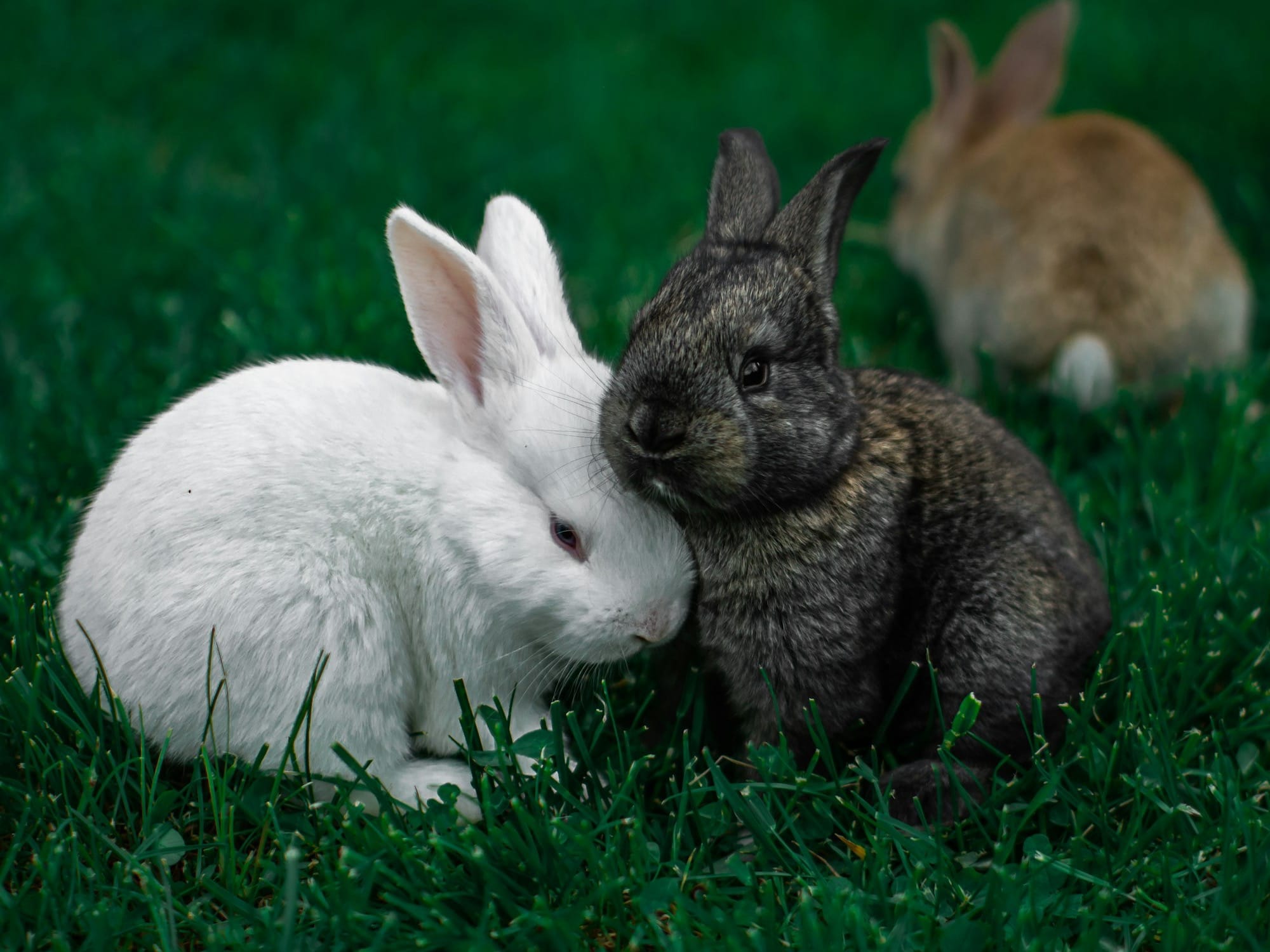
Serving size is where owners need to pay close attention. Non-leafy greens like cauliflower should be limited to approximately 30ml for every 900g of body weight [1]. That is a modest amount, which reflects the fact that hay should always form the backbone of a rabbit's diet.
Some owners may worry about goitrogens, naturally occurring compounds in brassica vegetables that can affect the thyroid. For rabbits, though, the evidence suggests this is not a practical concern. Research indicates it would take weeks of feeding enormous exclusive quantities to cause any health abnormalities, making normal serving sizes perfectly fine [1].
Guinea pigs sit in a similar position. Brassica-family vegetables like cauliflower are safe for guinea pigs, but they should not be fed in large quantities because they can cause gas [12]. Vets recommend a daily portion of one cup of fresh vegetables and greens, while hay and grass should still make up 85% to 90% of the total diet [12]. Any new vegetable must be introduced slowly over two to four weeks to avoid serious digestive upsets that could lead to life-threatening gut stasis [12]. Scatter fresh food around the enclosure rather than placing it in a single dish, to encourage natural foraging behaviour [12].
Birds and Hamsters: Smaller Pets, Smaller Portions
Companion parrots can safely eat cauliflower — it is a recommended vegetable that provides an enriching source of nutrients as part of a varied diet [6]. The key with birds is balance. Fresh produce should make up no more than 20% to 40% of a bird's daily diet, with one source recommending that bird-safe vegetables and fruit specifically account for 30% to 35% of intake [6, 7].

When serving cauliflower to a bird, wash it thoroughly and offer pieces that are appropriate for the bird's size. Larger pieces are actually a bonus for bigger birds, as they encourage chewing and provide mental enrichment [6].
Hamsters can eat small quantities of fresh greens and cleaned root vegetables as part of a balanced diet, though cauliflower is not explicitly named in the veterinary guidance reviewed [10]. A balanced hamster diet consists of a high-quality pellet ration or seed mixture supplemented with small amounts of fresh produce [10]. Fresh food can be scattered or hidden around the cage to promote natural foraging behaviour [10]. Sudden dietary changes must be avoided, as they can cause significant stomach upsets [10].
Cauliflower, Goitrogens, and the Tortoise and Turtle Question
For reptile owners, cauliflower enters more complicated territory and the answer depends on which species you are caring for.
Box turtles can include cauliflower as part of the plant-based portion of their omnivorous diet, which should account for roughly half of their total food intake [11]. However, cauliflower contains goitrogens, compounds that may lead to hypothyroidism if the vegetable is fed in large quantities [3, 11]. The takeaway: Occasional inclusion is acceptable, but excess feeding carries real risk.
Tortoises present the most divided picture of any pet in this article. Veterinary sources do not agree on cauliflower for tortoises. One guide includes it in a list of recommended greens, while another strictly advises owners not to feed the head or the leaves at all [2, 11]. Beyond the goitrogen concern, some experts warn that cauliflower can interfere with normal thyroid activity in tortoises and may also cause damage to the kidneys and liver [2]. If a tortoise owner does choose to offer cauliflower despite the debate, it should be chopped into bite-size portions, mixed well into a varied salad, and never fed in excess [11]. Given the conflicting expert opinion, consulting a reptile-experienced veterinarian before feeding cauliflower to a tortoise is strongly advised.

Serving Size Guidelines
Every species has its own threshold for what counts as a safe portion. For dogs, snacks like cauliflower should not exceed five percent of total daily caloric intake [9]. For rabbits, non-leafy greens like cauliflower should be limited to approximately 30ml per 900g of body weight [1]. For guinea pigs, vets recommend a daily fresh vegetable allowance of one cup in total, with cauliflower forming just one part of that [12].
For birds, fresh produce including cauliflower should make up no more than 20% to 40% of daily intake [6, 7]. For box turtles, cauliflower fits within the 50% plant-based portion of their omnivorous diet, though it should not dominate that portion given the goitrogen concern [11]. For hamsters, only small quantities of fresh greens are appropriate alongside their primary pellet or seed diet [10].
How to Prepare Cauliflower for Your Pet
Preparation is straightforward for most pets, but getting it right matters. For dogs and cats, cauliflower can be served raw or cooked, the non-negotiable is that it must be completely plain and free of any added seasonings, oils, or flavourings [9].
For rabbits, serving cauliflower wet is the preferred method. The added moisture helps increase liquid intake and supports healthy gut function [1]. For birds, wash all produce thoroughly before serving and size the pieces to match the individual bird since larger chunks can actually be an enrichment tool for bigger species [6].
For tortoises where feeding is deemed appropriate by a vet, cauliflower should be chopped into bite-size portions and mixed into a varied salad rather than offered on its own [11]. This helps prevent overconsumption of goitrogens in a single sitting.
What to Avoid
The most consistent warning across all species is to avoid seasoning. For dogs and cats especially, cauliflower must always be served without added flavourings, oils, or kitchen spices [9]. What is harmless to a human can be toxic to a pet.
Feeding large quantities of cauliflower to any brassica-sensitive species is the other major risk to avoid. In guinea pigs, too much can cause painful gas [12]. In box turtles, excess feeding may contribute to hypothyroidism due to goitrogen accumulation [3, 11]. In tortoises, some experts warn of potential thyroid disruption as well as kidney and liver damage from regular overfeeding [2]. For all pets, variety is protective, cauliflower should be one item in a broad, balanced diet, not a regular centrepiece.
Frequently Asked Questions
Is cauliflower safe for dogs and cats?
Yes. Cauliflower is considered a safe snack for both dogs and cats. It is low in fat and calories, and can be served raw or cooked. It must always be plain — no seasonings, oils, or flavourings — and cut into small pieces to prevent choking [9]. For dogs, cauliflower snacks should not exceed five percent of total daily caloric intake [9].
Can rabbits and guinea pigs eat cauliflower?
Yes, with care. Rabbits can safely eat cauliflower and its leaves as part of a varied diet, limited to approximately 30ml per 900g of body weight for non-leafy portions [1, 8]. Guinea pigs can also eat brassica-family vegetables like cauliflower, but large quantities may cause gas [12]. Any new vegetable should be introduced gradually over two to four weeks to prevent gut upsets [12].
What is the deal with cauliflower goitrogens for tortoises and turtles?
Goitrogens in cauliflower are a genuine concern for chelonians. In box turtles, excessive cauliflower may contribute to hypothyroidism [3, 11]. For tortoises, expert opinion is split: One source includes cauliflower in a list of recommended greens, while another advises owners not to feed the head or leaves at all, warning of potential thyroid disruption as well as kidney and liver damage [2, 11]. If in doubt, consult a reptile-experienced vet before feeding cauliflower to any tortoise.
How much cauliflower can my dog eat?
Snacks like cauliflower should not exceed five percent of your dog's total daily caloric intake [9]. Beyond that limit, nutritional imbalances can start to creep in. Keep cauliflower as an occasional treat rather than a regular part of meals, and always serve it plain and in small, bite-size pieces [9].
Can parrots and other pet birds eat cauliflower?
Yes. Cauliflower is a recommended vegetable for companion parrots, offering an enriching source of nutrients as part of a varied diet [6]. Fresh produce including cauliflower should make up no more than 20% to 40% of a bird's daily diet [6, 7]. Always wash cauliflower thoroughly before serving, and size the pieces to suit your bird as larger chunks can provide extra mental enrichment through chewing [6].
Cauliflower is a genuinely versatile vegetable that slots into the diets of many common pets — dogs, cats, rabbits, guinea pigs, parrots, hamsters, and box turtles can all enjoy it in appropriate amounts [1, 3, 6, 8, 9, 10, 11, 12]. The consistent rules are simple: keep portions modest, serve it plain, and introduce it gradually for smaller or more sensitive species.
The one group where real caution is warranted is tortoises, where expert sources are split and the potential risks to the thyroid, kidneys, and liver make veterinary guidance essential before proceeding [2, 11]. As with any dietary change, your vet is always the best first call.
[1] House Rabbit Society safe-veg list (rabbit)
[2] The Tortoise Table cauliflower entry on goitrogens, thyroid, liver, kidneys (tortoise)
[3] VCA Hospitals box turtle feeding guide (turtle)
[4] Cornell Feline Health Center on obligate carnivore physiology (cat)
[5] AKC overview of safe and unsafe fruits and vegetables for dogs (dog)
[6] VCA Hospitals on fruit and vegetables in companion bird diets (bird)
[7] MSPCA-Angell Avian & Exotics vet on parrot diet structure (bird)
[8] RWAF recommended veg list including cauliflower and leaves (rabbit)
[9] ASPCA people-foods list naming cauliflower as safe for dogs and cats (dog + cat)
[10] RSPCA hamster diet (hamster)
[11] Safarivet on brassica goitrogens in chelonians (turtle + tortoise)
[12] PDSA guinea pig diet, cabbage/broccoli gas warning (guinea pig)
Note: Some of the sources cited here are published by international veterinary authorities and may not be directly accessible from all regions. The reference is provided as a record of where the information comes from. For a clear indication of our editorial policy, please click here.