

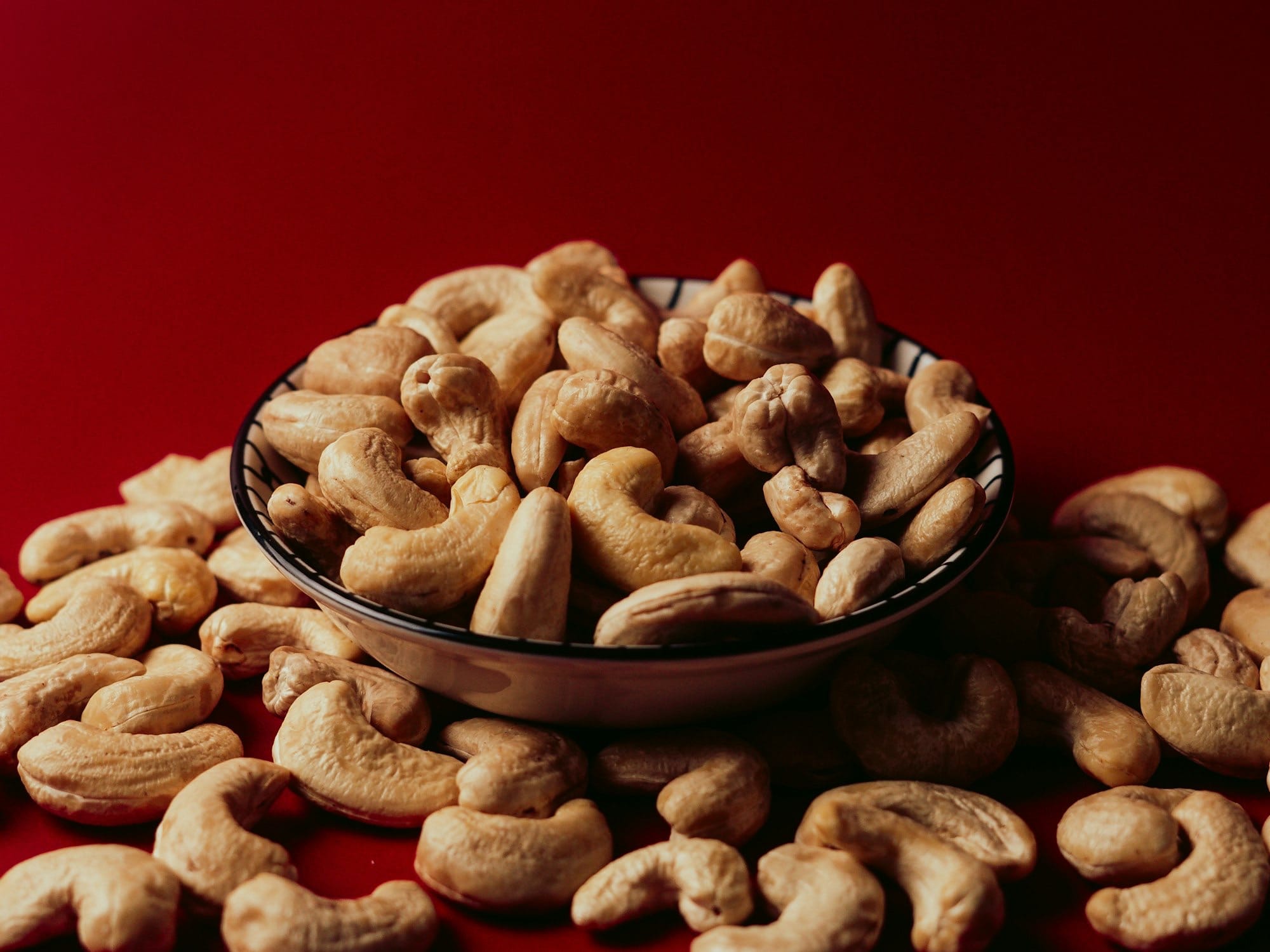
From dogs and cats to rabbits and birds, here is the truth about cashews and your pet.
Cashews are a snack cabinet staple across Singapore, and it is only natural to wonder whether you can share a handful with your pet. The short answer: It depends entirely on what kind of pet you have. For dogs, cashews are not toxic and can be given as an occasional treat, provided they are shelled and unsalted [2, 3]. For rabbits, guinea pigs, and several other small animals, however, cashews are a firm no, with risks ranging from obesity to potentially fatal liver disease [12]. Read on to find out exactly where your pet stands.
"Never give your dog cashews from a mixed-nut tin. Macadamia nuts, which are highly toxic to dogs, are commonly packed alongside cashews and can cause serious harm even in small amounts [3, 6]."
• Cashews are not toxic to dogs and can be offered occasionally as a treat, but only if they are shelled, unsalted, and plain [2, 3].
• Cats are obligate carnivores whose dietary needs are best met by animal-based protein, making calorie-dense plant-based snacks like cashews an unsuitable choice [4].
• Rabbits and guinea pigs should never be given cashews, as the high fat and starch content can cause obesity, liver disease, and life-threatening gastrointestinal problems [8, 12].
• Cashews sold in mixed-nut tins pose a serious cross-contamination risk for dogs, because macadamia nuts, which are highly toxic to dogs, are often packed alongside them [3, 6].
• All pets face a risk of aflatoxin poisoning from cashews contaminated with Aspergillus mould, a potent toxin that targets the liver and can be fatal [1].
Nutritional Profile of Cashews: Are Cashews Safe for Dogs and Other Pets?
Cashews are a high-fat, high-protein snack. For dogs, this combination means that regular feeding can contribute to obesity, which in turn raises the risk of further health complications including diabetes and joint issues [3]. The calorie density that makes cashews so satisfying for humans is precisely what makes them a risky treat for most companion animals.
For cats, the picture is equally complicated. Cats are obligate carnivores that require a diet high in protein and moderate in fat derived from animal products [4]. Cashews are plant-based and carry a fat load that can exceed what a cat actually needs. On top of that, treats should not exceed ten to fifteen percent of a cat's daily caloric intake, and the calorie density of cashews makes it very easy to tip over that limit without realising it [4].
For smaller pets, the numbers are even starker. Rabbits, for example, should receive no more than one and a half percent of their total calories as fat, yet most commercial treat mixes containing nuts and seeds list a minimum fat content of four to five percent, far beyond what a rabbit's system is designed to handle [12].

Potential Risks and Side Effects
The biggest headline risk for dogs is pancreatitis. The high fat content in cashews is a major trigger for this potentially life-threatening inflammation of the pancreas, and certain breeds, including miniature schnauzers, miniature poodles, and cocker spaniels, are especially prone to it when fed fatty foods [3, 5]. Even in breeds without that predisposition, regular cashew consumption raises a dog's obesity risk, with downstream effects on joint health and metabolic function [3].
Salted or seasoned cashews add another layer of danger. For dogs, excessive salt intake can lead to salt toxicity, with symptoms including vomiting, diarrhoea, muscle tremors, and seizures [3, 5]. For cats, fatty food scraps are a risk factor for pancreatitis, and nuts in general can cause digestive upset including vomiting and diarrhoea due to their high oil content [5, 10].
One risk that catches many pet owners off guard is cross-contamination. Cashews are frequently sold in variety packs or mixed containers alongside macadamia nuts, which are highly toxic to dogs and can cause weakness, vomiting, and tremors even in small amounts [3, 6]. Never assume a handful of cashews from a mixed tin is safe for your dog.
There is also a mould risk that applies to every species on this list. Cashews can be contaminated with Aspergillus moulds that produce aflatoxins, potent liver toxins, capable of causing mutagenesis, immunosuppression, and death across many animal species [1]. Clinical signs of aflatoxin poisoning include vomiting, depression, haemorrhage, and jaundice, and in acute cases an animal may lose its appetite briefly before dying suddenly [1]. Dogs, young pigs, pregnant sows, and growing poultry such as ducklings and turkey poults are among the most susceptible [1].

For rabbits, the risks are potentially fatal even without mould involvement. A diet rich in nuts and seeds can lead to hepatic steatosis (fatty liver disease) and atherosclerosis, and the starches in cashews can cause rapid fermentation in the caecum, triggering life-threatening bloat and gastrointestinal stasis [12]. For pet birds, a high-fat diet centred on nuts and seeds is a major contributor to obesity, defined as being twenty percent over ideal weight, and obese birds face a significantly elevated risk of hepatic lipidosis, atherosclerosis, cardiac disease, and respiratory problems [9].
Serving Size Guidelines
For dogs, the recommended approach is to offer only a few cashews at a time, as an occasional treat rather than a daily fixture. Making them a regular part of a dog's diet risks stomach upset and weight gain over time [2, 3].
For hamsters, treats of any kind — including nuts — should be strictly limited to no more than ten percent of their total dietary intake. The bulk of a hamster's nutrition should come from balanced pellets providing fifteen to twenty percent protein [11]. For pet birds, nuts like cashews should occupy only a small portion of the diet. Large parrots, for instance, thrive on a diet that is eighty percent pellets, ten to fifteen percent vegetables, and five to ten percent fruit, with nuts reserved for occasional treats or positive reinforcement training [7].
Preparation Methods
If you are offering cashews to your dog, preparation matters enormously. Cashews must always be served shelled and completely unsalted to avoid both choking hazards and sodium poisoning [2, 3]. They should also be entirely plain, no added seasonings, flavourings, or coatings of any kind, including chocolate [2, 3].

Physical form is worth thinking about too. Cashew shells and shell fragments can act as choking hazards or cause gastrointestinal obstructions, with the risk of obstruction being especially high in small dogs, though large breeds can also be affected [2, 3]. Always source whole, shelled cashews from a single-nut packet rather than a mixed tin, to eliminate the risk of accidental macadamia nut ingestion [3, 6].
What to Avoid
The no-go list for cashews is fairly consistent across species. For all pets, owners must avoid any cashews that are salted, flavoured, or coated in chocolate [3, 5, 10]. Cashews should also never be shared if they come from a mix containing other potentially toxic ingredients such as macadamia nuts, garlic, or onions [3, 5, 10].
For rabbits, guinea pigs, and gerbils, the advice is more absolute: Cashews and other nuts are not an appropriate treat at any quantity and should be kept out of reach entirely [8, 12]. For hamsters, the selective eating problem adds another reason for caution, hamsters often prefer nuts and seeds over their nutritionally complete pelleted food, meaning even a small nut treat can undermine their overall diet [11].
Frequently Asked Questions
Can pets eat cashews?
It depends on the species. Cashews are not toxic to dogs and can be given occasionally as a plain, unsalted treat [2, 3]. For cats, they are an unsuitable snack due to their high calorie density and plant-based fat profile, which does not align with a cat's needs as an obligate carnivore [4]. For rabbits and guinea pigs, cashews are considered non-nutritious junk food that can cause obesity, liver disease, and gastrointestinal emergencies [8, 12]. Pet birds can have the occasional nut as a small supplement or training reward, but it should never dominate their diet [7]. All pets face a potential risk from aflatoxin contamination in mouldy cashews [1].
Are cashews safe for dogs?
Cashews are not toxic to dogs and are generally considered safe as an occasional treat, provided they are shelled and unsalted [2, 3]. However, their high fat content makes them a risk factor for pancreatitis, particularly in breeds like miniature schnauzers, miniature poodles, and cocker spaniels [3, 5]. Regular feeding can also contribute to obesity, with knock-on effects including diabetes and joint problems [3]. Salted cashews carry the additional risk of salt toxicity, which can cause vomiting, diarrhoea, muscle tremors, and seizures [3, 5]. Serve only a few at a time, and always choose plain cashews from a single-nut packet to avoid macadamia nut cross-contamination [3, 6].
Can cats eat cashews?
Cashews are not an ideal snack for cats. Cats are obligate carnivores requiring a diet high in animal-based protein and moderate in fat, and cashews are a plant-based food with a fat content that can exceed a cat's nutritional needs [4]. The high calorie density of cashews also makes it easy to breach the recommended treat ceiling of ten to fifteen percent of daily caloric intake [4]. Beyond nutritional mismatch, fatty foods like cashews are a risk factor for pancreatitis in cats, and their high oil content can cause vomiting and diarrhoea [5, 10].
Can rabbits eat cashews?
No. Cashews and other seeds or nuts are considered non-nutritious junk food for rabbits and have no place in their natural low-fat diet [12]. The fat and starch content can cause obesity and fatal fatty liver disease (hepatic steatosis), as well as atherosclerosis [12]. The starches in cashews can also trigger rapid fermentation in the caecum, leading to potentially life-threatening bloat and gastrointestinal stasis [12]. Rabbits should receive no more than one and a half percent of their total calories as fat, and most nut-containing treat mixes far exceed this threshold [12].
Can hamsters eat cashews?
Hamsters can have nuts as an occasional treat, but they should be offered very sparingly [11]. The main concern is selective eating: Hamsters tend to prefer nuts and seeds over their nutritionally balanced pelleted food, which can cause them to miss out on essential nutrients [11]. Treats of all kinds should be capped at no more than ten percent of a hamster's total dietary intake, with balanced pellets making up the majority of their food [11].
What are the signs of a bad reaction to cashews in a dog?
Signs that a dog has reacted badly to cashews include vomiting, diarrhoea, and abdominal pain [3, 5, 10]. If the cashews were salted, watch also for weakness, muscle tremors, and seizures, which may indicate salt toxicity [3, 5]. If your dog has eaten cashews from a mixed-nut tin, contact your vet immediately, as accidental ingestion of macadamia nuts can cause weakness, vomiting, and tremors even in small amounts [3, 6].
Cashews are not a universally dangerous food, but they are far from a universally safe one. Dogs can enjoy the occasional plain, unsalted cashew, but the risks — from pancreatitis and salt toxicity to macadamia nut cross-contamination — mean that vigilance is non-negotiable [2, 3, 6]. For cats, the calorie density and plant-based fat profile make cashews a poor dietary fit [4]. For rabbits and guinea pigs, the answer is a clear and unambiguous no [8, 12]. Birds and hamsters occupy a middle ground where the occasional nut is tolerated but should never crowd out their nutritionally complete staple diet [7, 11].
When in doubt, and especially if your pet has eaten something they should not have, contact your veterinarian without delay. No snack is worth a trip to the emergency clinic.
[1] Merck Vet Manual on aflatoxicosis (relevant to nuts as aflatoxin carriers across species)
[2] AKC overview of tree nuts for dogs, including cashew, almond, pecan, hazelnut hazards
[3] AKC vet-reviewed guidance on whether dogs can eat cashews
[4] Cornell Feline Health Center on cat feeding and obligate carnivore profile
[5] Pet Poison Helpline on kitchen toxins, fatty foods, salt, and pancreatitis triggers across species
[6] VCA on macadamia toxicity in dogs (critical cross-contamination risk with mixed-nut tins)
[7] Merck Vet Manual on pet bird management (80% pellets, 5–10% nuts/seeds as treats)
[8] Merck Vet Manual on rodent and lagomorph nutrition (hamster, gerbil, guinea pig, rabbit)
[9] Merck Vet Manual on nutritional diseases of pet birds (seed/nut imbalances, aflatoxicosis, hepatic lipidosis)
[10] ASPCA Animal Poison Control on people foods pets should avoid (multi-species baseline)
[11] Merck Vet Manual on hamster husbandry and diet (pellets, treats ≤10%, seeds sparingly)
[12] House Rabbit Society on treat foods, fat ceiling, and explicit seeds/nuts prohibition for rabbits
Note: Some of the sources cited here are published by international veterinary authorities and may not be directly accessible from all regions. The reference is provided as a record of where the information comes from. For a clear indication of our editorial policy, please click here.